University of Hertfordshire · 4CTA2054 Concept to Customer · Session 4 of 9 · Fri 30 Oct
From audit to decisions.
Theory, funnel and playbook draft. Morning: make two theories change real decisions, build a launch funnel for your territory, map your customer’s journey and see what a one-page playbook looks like. Afternoon: draft your A3 playbook and plan the 20 November shoot.
You know Nike, your territory and your customer. Now decide.
Session 1 · 9 Oct
The brief
adidas’s Asian moment, the cultural ladder, decoration versus construction, your territory.
Session 2 · 16 Oct
The market
adidas China, competitors, reading a number honestly, theory menu A to G.
Session 3 · 23 Oct
Nike itself
Nike’s codes, what stays and what flexes, a range concept, a customer profile. Theories H to J.
Session 4 · today
Decisions
Two theories that change choices, a funnel, a journey map and a first A3 playbook.
60 seconds, with your neighbour
Read one line from your Nike Audit, for example “the Swoosh and performance sole must stay”. Your neighbour asks: so what will you do differently because of that?
Session 4 · how today runs
Morning: see how decisions are made. Afternoon: make yours.
AM · 10:00 to 12:30 · B160Lecture
10:00Recap, quiz and today15 min
10:15Part 1 · Theory into decisions25 min
10:40Part 2 · The launch funnel25 min
11:05Break10 min
11:15Part 3 · Worked funnel + journey25 min
11:40Part 4 · The A3 playbook20 min
12:00Part 5 · Plan the shoot20 min
12:20Your two theories10 min
PM · 13:30 to 16:00 · Fashion Base RoomWorkshop
13:30Reopen your audit10 min
13:40Theory in action20 min
14:00Build your funnel20 min
14:20Sketch the journey10 min
14:30Break10 min
14:40Draft the A3 + 1:1s35 min
15:15Peer swap + scenarios15 min
15:30Revise + self-check20 min
15:50Shoot plan10 min
You leave with
Two theory decisions, a funnel for your territory, a journey map, a first A3 playbook and a shot list for 20 November.
Warm-up · phones out · Sessions 1 to 4
L4 Knowledge Quiz
What do you remember about Nike, your territory, the market and the theories? Real examples, real images. The fastest right answer scores the most.
1 · The theory says … → 2 · So we will … → 3 · We’ll check by …
Used · it changes something you can see
Kapferer’s prism says a brand must stay recognisable. So we will keep the Swoosh and the shoe’s shape, and let a local artist design the story graphics. We’ll check by asking 10 customers if it still looks like Nike.
Rogers says new ideas spread from early users first. So we will give the new fastening to a running club before the big launch. We’ll check by listening to their questions and fixing the explanation.
The customer journey says people drop out when something is unclear. So we will show delivery and returns before the pre-order button. We’ll check by watching where testers stop on the page.
Only described · and why it fails
“Kapferer’s prism has six facets.”Just a definition. Nothing changes.
“Japan scores high on uncertainty avoidance, so Japanese people will pay more.”Jumps from a country average to one person, and makes up a price.
“Our range uses authenticity and CBBE because Asian consumers like Nike.”Theory names only. No customer, no action, no check.
Teaching examples, not claims about Nike products.
Part 1 · every theory so far, as a decision · tap any card for its film
Use real Nike capability and a collaborator’s real contribution.
Original study is luxury wine; test it with your audience.
CGlocalisation▶ 1 min
Keep Nike elements; adapt language, meaning and launch access.
A nation is not one culture.
DHofstede▶ 1 min
Turn a possible trust difference into a research question.
Never predict a person from a country score.
EDiffusion of innovations▶ 1 min
Who tries an unfamiliar feature first, and how others see it.
A trendy colour is not an innovation.
FBrand equity (CBBE)▶ 1 min
What the name, hero image and demo make people remember about Nike.
An intended association is not a measured one.
GCustomer journey▶ 1 min
Where to place size, delivery and service information.
A drawn map is a hypothesis.
HKapferer’s prism▶ 1 min
What stays recognisably Nike and what can change.
Nike’s culture facet is its values, not a zodiac print.
IAaker’s personality▶ 1 min
Keep campaign voice, styling and creators consistent with chosen traits.
Adjectives do not replace product evidence.
JBrand-extension fit▶ 1 min
Only for a genuinely new category: which Nike skills transfer.
A new colourway is not an extension.
TDTrickle-down▶ 1 min
Could an elite athlete or premium launch introduce the idea?
Influence is not always top-down.
BUBubble-up▶ 1 min
Which local scene started the code, and is it involved?
Credit, power and payment matter.
Theory menu A to J plus trickle-down and bubble-up. All core references historical. Full references on the worksheet.
Part 1 · four pairs that work together
Choose two theories that help with two different decisions
Pair 1
Glocalisation + Brand identity prism
Helps you decide: What stays Nike, and what changes for the local market.
Example: Keep the Swoosh and the shoe’s shape. Change the colour story and the launch for one city.
Watch out: Pick one local audience, not a whole country.
Pair 2
Cultural appropriation vs appreciation + Brand authenticity
Helps you decide: Who you work with, how you credit them, and what you can honestly claim.
Example: A local artist designs the graphics and is named on the tag and in the campaign.
Watch out: Check where a symbol comes from before you use it.
Pair 3
Diffusion of innovations + Brand equity
Helps you decide: Who tries a new feature first, and what people should think of Nike afterwards.
Example: A running club tests the new fastening before launch and shares how it feels.
Watch out: Neither theory predicts a sell-out.
Pair 4
Brand personality + Customer journey
Helps you decide: How the campaign sounds, and making the buying experience feel the same.
Example: A playful campaign, with delivery and returns explained just as clearly.
Watch out: A friendly voice fails if delivery or returns are unclear.
Part 1 · worked example · Nike x ONE PIECE, 2026
Two theories, two real decisions
Tap to enlarge
HKapferer’s prism
Public decision
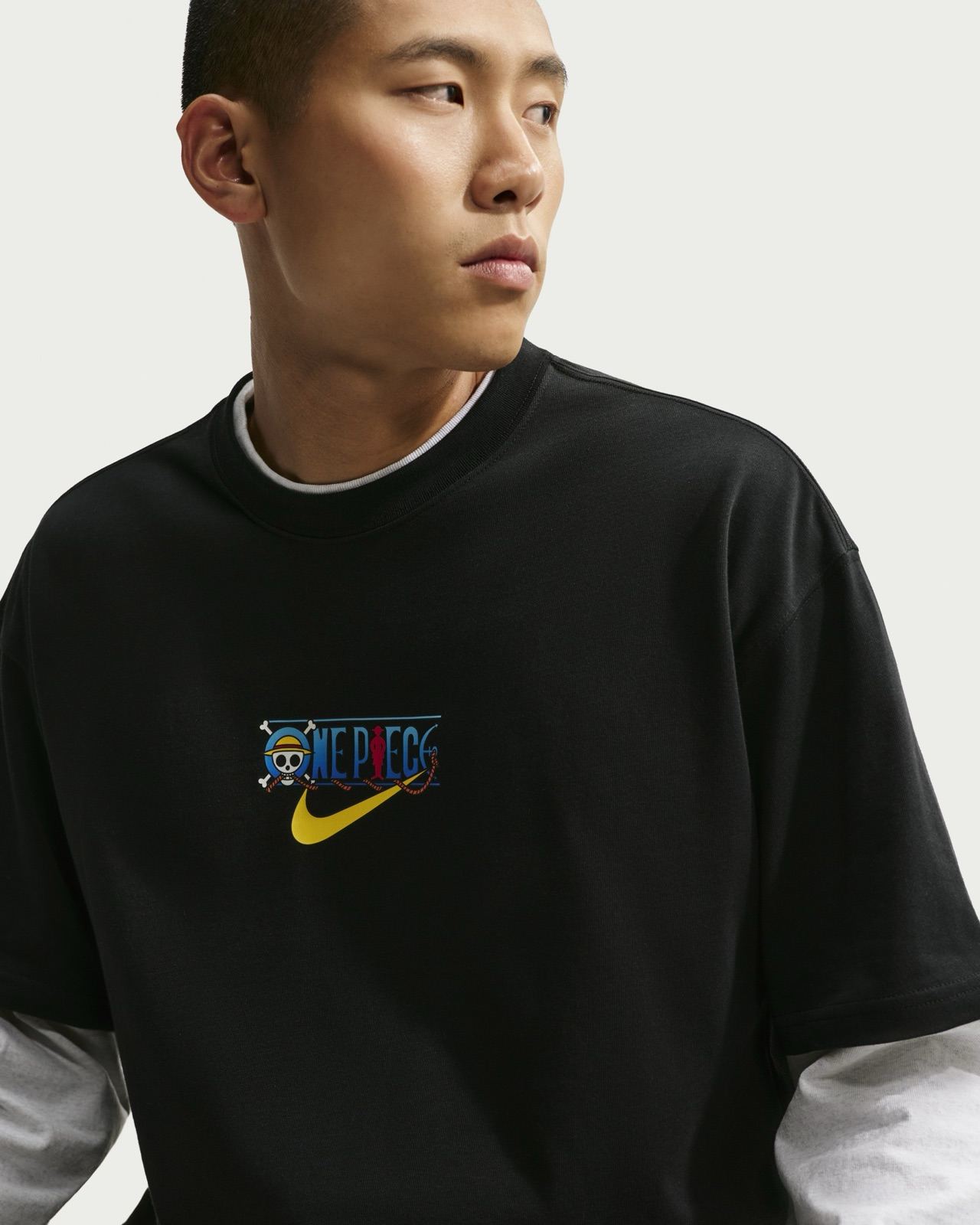
The established Air Max Plus silhouette carries ONE PIECE-inspired design and apparel imagery (Nike, 23 Aug 2026).
What the theory explains
The recognisable product keeps continuity; the licensed story adds a different cultural association.
Unknown
How customers judged fit or authenticity.
CGlocalisation
Public decision
Gomu Gomu shoe, 25 Sep 2026: Japan pre-order, Korea Exclusive Access, China standard launch on SNKRS.
What the theory explains
One global concept, different local access rules. Channel rules are strategy, not just translated copy.
Unknown
Why each route was chosen, and how each performed.
Tutor interpretation, not Nike’s stated method. Do not copy the franchise, claim a licence, or treat this as proof that anime sells to every Japanese shopper.
Five stages, one channel and one number at each. The brand counting progress.
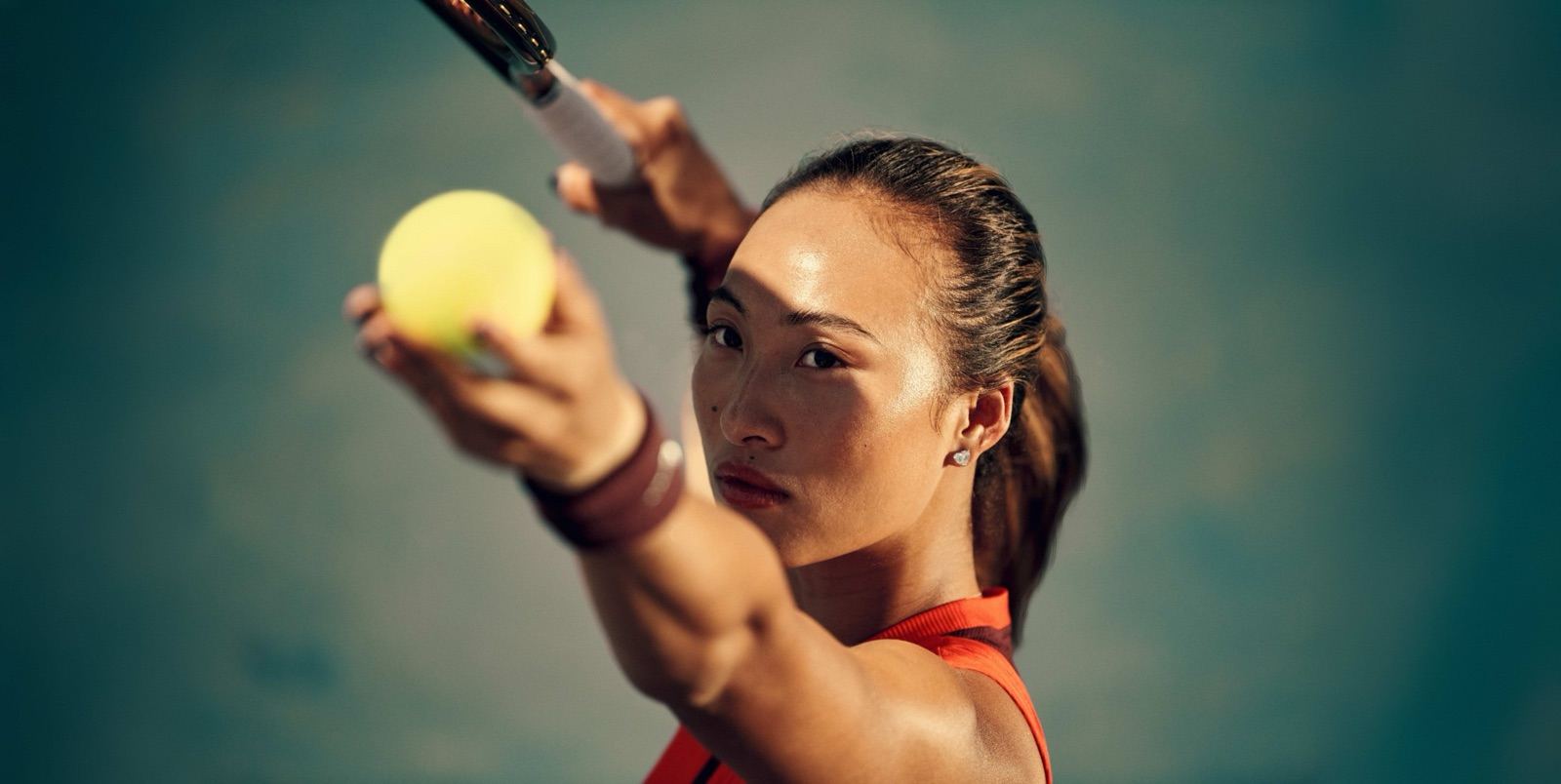
Image: Qinwen Zheng, Nike “Why Do It?” (4 Sep 2025). Research reference, not an endorsement. Brand and partner copyright; retain credit. Classroom use only.
Part 2 · the funnel you will draw · adapted from Kotler et al., 2017
Five stages, one KPI each, one honest limit
AwarenessRelevant people notice the range.
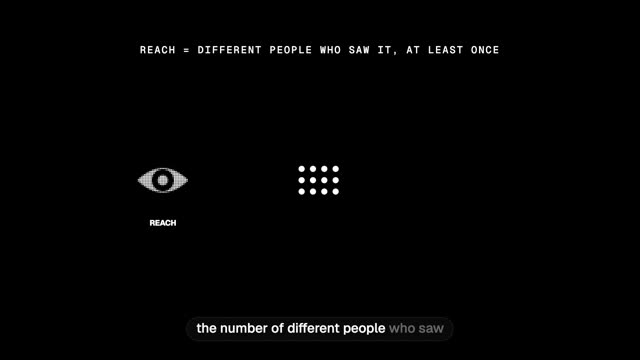
Reach
= distinct accounts that saw it at least once
Accounts are not people or attention. Never add platforms together.
KPI film
ConsiderationPeople look for reasons to choose it.
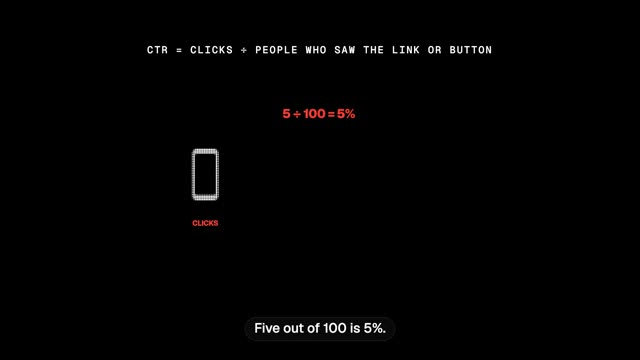
Link click-through rate
= outbound link clicks ÷ impressions × 100
A click is not a purchase or a liking.
KPI film
ConversionA customer completes the purchase.
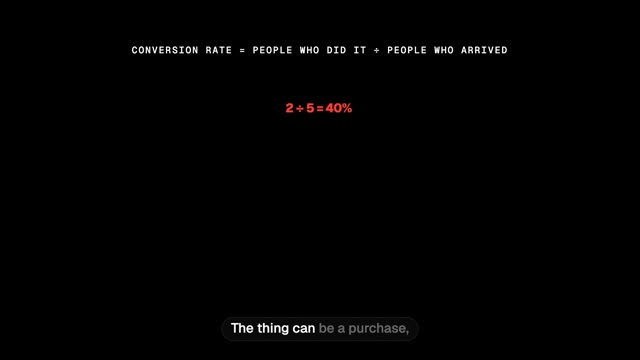
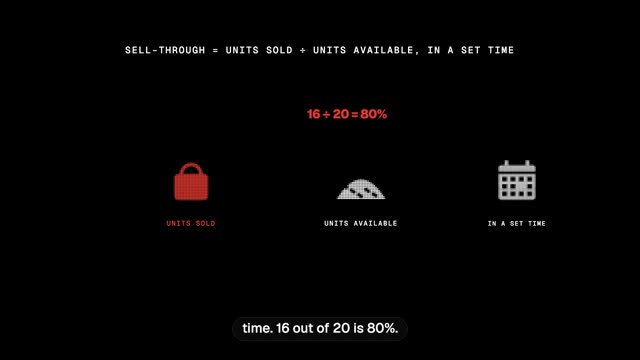
Session purchase rate
= sessions with a purchase ÷ tracked sessions × 100
A draw entry is not a sale. Misses untracked journeys.
KPI film
LoyaltyCustomers come back.
Repeat purchase rate
= first-time buyers who buy again in the window ÷ first-time buyers × 100
Discounts can drive repeats. Choose the window first.
KPI film
AdvocacyPeople pass it on.
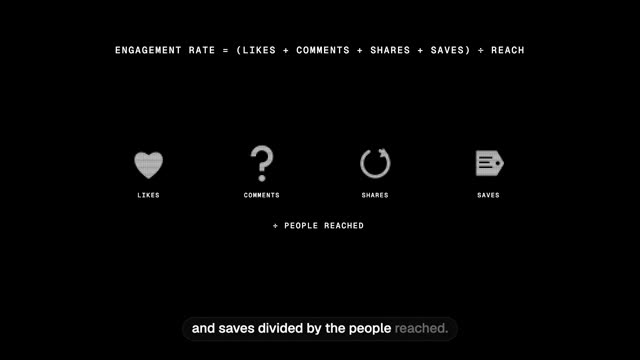
Content share rate
= shares ÷ impressions × 100
Shares can be critical or from non-buyers.
KPI film
Targets: to be established from a benchmark or pilot. A view, reach, registration, draw entry, pre-order and completed sale are six different events.
Adapted from Kotler, Kartajaya and Setiawan (2017) Marketing 4.0, historical. KPI films from L5 Week 4.
Part 2 · your territory · context, not your customer
Where people are, in each territory
No public dataset compares 18 to 30 year old sneaker buyers across all four countries. These describe wider audiences. Validate your own customer’s channel.
China
1,439m
Weixin/WeChat monthly active accounts, 30 Jun 2026
Tencent, 12 Aug 2026
Global accounts, not Chinese people or Nike customers
561m
Weibo monthly active users, Jun 2026
Weibo, 19 Aug 2026
Not 18 to 30 fashion buyers; never add to WeChat
South Korea
25.6m
Instagram potential ad reach, late 2025
DataReportal, 8 Nov 2025
Ad audience, not active users or shoppers
80% / 83%
MUSINSA Seongsu Nike store: women were 80% of buyers; 83% of those in their 20s and 30s
MUSINSA, 11 Jul 2025
One store only
Japan
100m
LINE domestic monthly active users
LY Corp / PayPay, 2 Jul 2026
Not a sneaker-buying group
63.2m
Instagram potential ad reach, late 2025
DataReportal, 5 Nov 2025
Ad audience, ages 13+
Thailand
56.6m
TikTok potential ad reach, adults 18+, late 2025
DataReportal, 8 Nov 2025
Not unique buyers or TikTok Shop orders
20.6m
Instagram potential ad reach, late 2025
DataReportal, 8 Nov 2025
Different age base: do not rank against TikTok
Sources: Tencent (12 Aug 2026); Weibo (19 Aug 2026); DataReportal Digital 2026 (Nov 2025); MUSINSA (11 Jul 2025); LY Corp/PayPay (2 Jul 2026).
Part 2 · one chart, drawn honestly
Bigger bar, not a bigger market
Instagram potential ad reach, late 2025 · millions · DataReportal
Japan
63.2m
South Korea
25.6m
Thailand
20.6m
China omitted, not zero: Instagram is not the comparable platform there.
What it is
How many accounts Meta’s ad tool says an advert could reach, ages 13+.
What it is not: active users, unique people, 18 to 30 year olds, Nike shoppers or demand for your range.
Source: DataReportal Digital 2026 Japan (5 Nov 2025), South Korea and Thailand (8 Nov 2025).
Part 2 · a channel menu to adapt · pick one route per stage
Where your funnel could live
AwarenessConsiderationConversionLoyaltyAdvocacy
ChinaLocal creators on Douyin, Xiaohongshu or WeiboSaved research on Xiaohongshu; Nike page or storeNike App/SNKRS or authorised Tmall/JD NikeNike App activity; opted-in WeChatCustomer wear stories, with permission
South KoreaInstagram creator and community contentKorean lookbook; partner such as MUSINSANike/SNKRS or named launch partnerMembership messages; KakaoTalk is a proposalReal community content, not a promised idol repost
JapanNike content, a creator or a pop-upNike Japan product info; local storeThe specific SNKRS mechanism or storeNike service; LINE is a planning optionCustomer styling or sport content, with consent
ThailandFootball or street-sport creators on TikTok, InstagramThai-language demo: fit, price, authenticityNike local site/store or verified partnerUseful service; opted-in LINELocal playing-group stories, with permission
A channel is a route to reach or serve people; a platform is a service such as LINE. Recheck authorised sellers before naming where people buy.
Purchase chances picked by chance. An entry is not a sale.
02
Pre-order
Order before the product ships.
03
Exclusive Access
Invitation for Nike Members. Does not reserve a size.
04
Wholesale partner
Another retailer resells, e.g. Worksout, Tune in Seoul.
05
Nike App rewards
Mamba 2025: weekly app workouts, challenges and rewards.
06
Seeding
Giving product to people who may create visibility. Needs evidence.
Two official NIKE JAPAN films
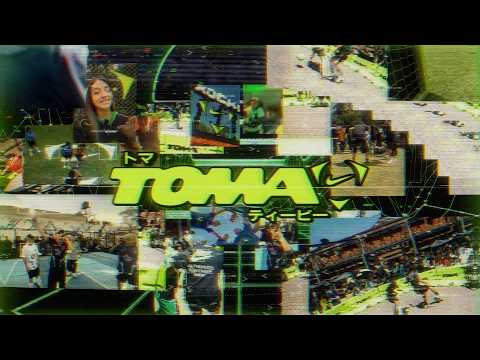
TOMA TV launch teaserNIKE JAPAN · 9 Jun 2026 · 0:36
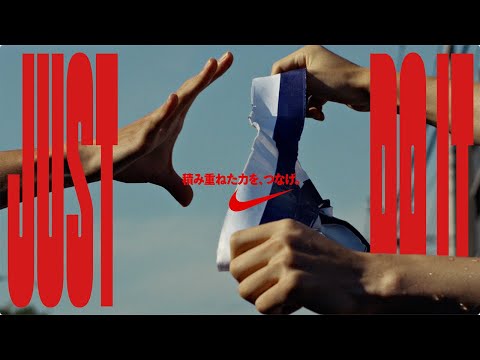
Passing on the strength you builtNIKE JAPAN · 29 Dec 2025 · 0:24
The teaser ends on a date and a destination: 14 June, YouTube and Nike.com. That is a funnel handoff.
Sources: Nike SNKRS; Nike newsroom (7 Jan 2025; 23 Aug 2026); WPP (2025). Films: NIKE JAPAN official YouTube. Research reference, not an endorsement. Brand and partner copyright; retain credit. Classroom use only.
Part 3 · 11:15
One real launch, two ways of seeing it
The funnel is the brand counting progress. The journey is the customer’s experience.
Image: Nike Year of the Mamba (7 Jan 2025). Research reference, not an endorsement. Brand and partner copyright; retain credit. Classroom use only.
Part 3 · worked funnel · Nike x ONE PIECE, Japan, Sep 2026
A real funnel: every number is “not stated”
StageWhat is publicly documentedThe number
Awareness
Nike’s official announcement, 23 Aug 2026, and the SNKRS launch story.
Reachnot stated
Consideration
Nike Japan collection page: products, tax-inclusive prices, purchase routes.
Page visits, link CTRnot stated
Conversion
Tokyo pop-up 4 to 6 Sep with lottery entry; or Japan SNKRS pre-order from 25 Sep. Two routes, not two steps.
Entries, orders, sell-throughnot stated
Loyalty
No post-purchase follow-up for this collection was found.
Repeat purchasenot stated
Advocacy
The Tokyo purchase came with collectible cards: a possible conversation object.
Shares, referralsnot stated
Tap to enlarge
Sources: Nike newsroom (23 Aug 2026); Nike Japan ONE PIECE page; Nike SNKRS launch guide (accessed 29 Oct 2026). Research reference, not an endorsement. Brand and partner copyright; retain credit. Classroom use only.
Part 3 · the journey · an illustrative 21 year old fan in Tokyo
The same launch, through one customer’s eyes
1Discover
DoingSees Nike’s collection story, follows it to the Japanese page.
Thinking / pain“Is this a real Nike release?”
EvidenceAnnouncement: fact. Her reaction: assumption.
2Explore
DoingReads the Gomu Gomu listing, JPY27,500 inc. tax, and the release route.
Thinking / painDifferent local offers could confuse.
EvidencePrice: fact. A list price is not what she pays.
3Buy
DoingChooses Japan SNKRS pre-order from 25 Sep.
Thinking / painMoment that matters: committing before she has the shoe.
EvidenceRoute: fact. Her order: assumption.
4Receive + wear
DoingChecks fit, comfort and details.
Thinking / painFit may disappoint.
EvidenceAll assumption. Test by interview.
5Share + come back
DoingMight share a wear photo, or return to Nike.
Thinking / painNeeds a reason beyond a hashtag.
EvidenceAssumption. No repeat rate known.
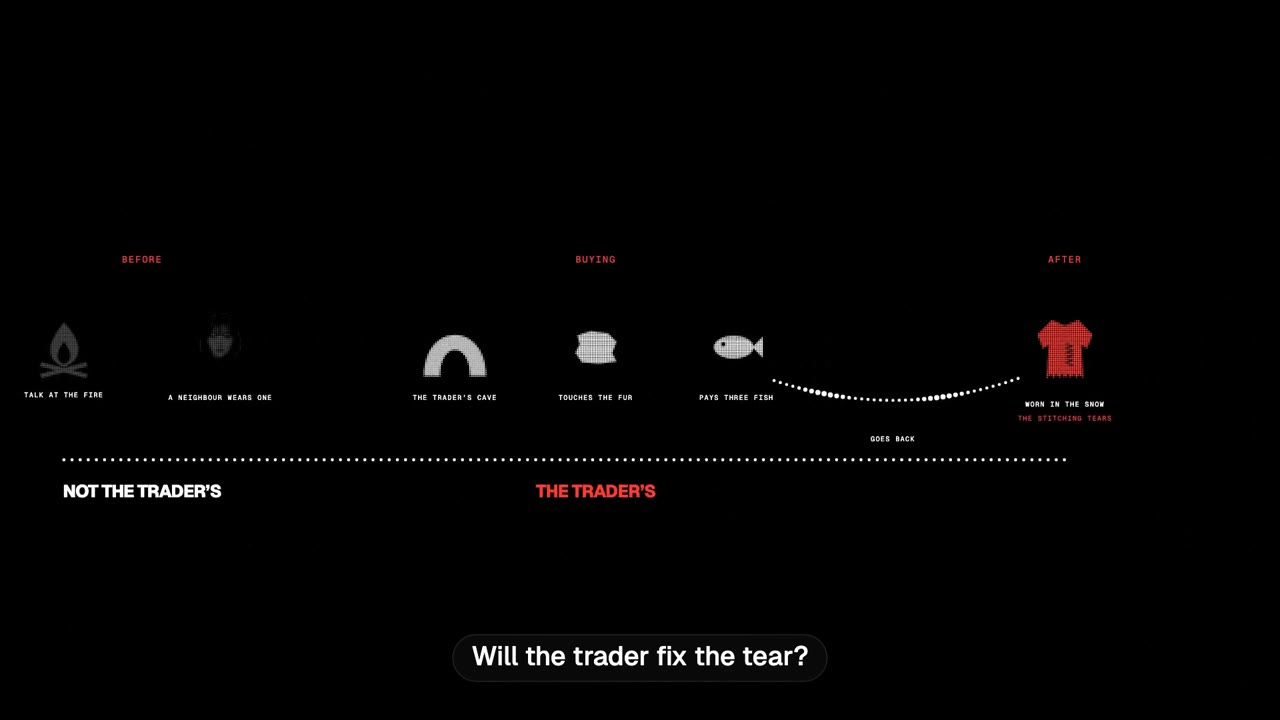
Customer journeyCaveman film · 1 min
Funnel versus journey
The funnel is the brand counting progress. The journey is the customer’s experience. They meet at the same touchpoints: a product-page visit is “consideration” for Nike and “can I trust the size?” for her.
Adapted from Lemon, K.N. and Verhoef, P.C. (2016) Journal of Marketing, 80(6), historical. Customer is a teaching assumption. Nike Japan ONE PIECE page; SNKRS guide.
Part 3 · same fan, same launch · weak map versus stronger map
Five mistakes, and what the fix looks like
StageWeak: what we often seeStronger: same customerMistake → fix
DiscoverSees an advert on Instagram.
Sees Nike’s ONE PIECE announcement (23 Aug) and follows it to the Nike Japan page.
Too vagueSay where, what she saw, and where it led.
ExploreFeels really excited.
Possible feeling, to test: “Is JPY27,500 worth it before I can try it on?”
Invented feelingMark feelings as guesses until you ask real people.
BuyBuys it online. Happy.
Pre-orders on Japan SNKRS from 25 Sep. Pain: she pays before she can check the fit.
No painEvery real journey has a worry. Find it.
Receive + wearInstagram.
Delivery and fit check at home. This step belongs to Nike delivery and returns, not social media.
Same channel everywhereEach step has its own place and owner.
Share + come backAdvocacy: shares and referrals.
Would she post a wear photo? Only with a reason beyond a hashtag. Test by interview.
Funnel copied inWrite what she does and doubts, not the brand’s stage name.
Quick test
Cover the stage names. Can a stranger tell which country, which customer and which shop or app from your map? If not, it is still the left column.
Same facts as slide 18: Nike newsroom (23 Aug 2026); Nike Japan ONE PIECE page; SNKRS guide. Customer and feelings are teaching assumptions.
Part 4 · 11:40
The A3 one-page playbook
A compact set of decisions that lets someone else understand and carry out your range and campaign.
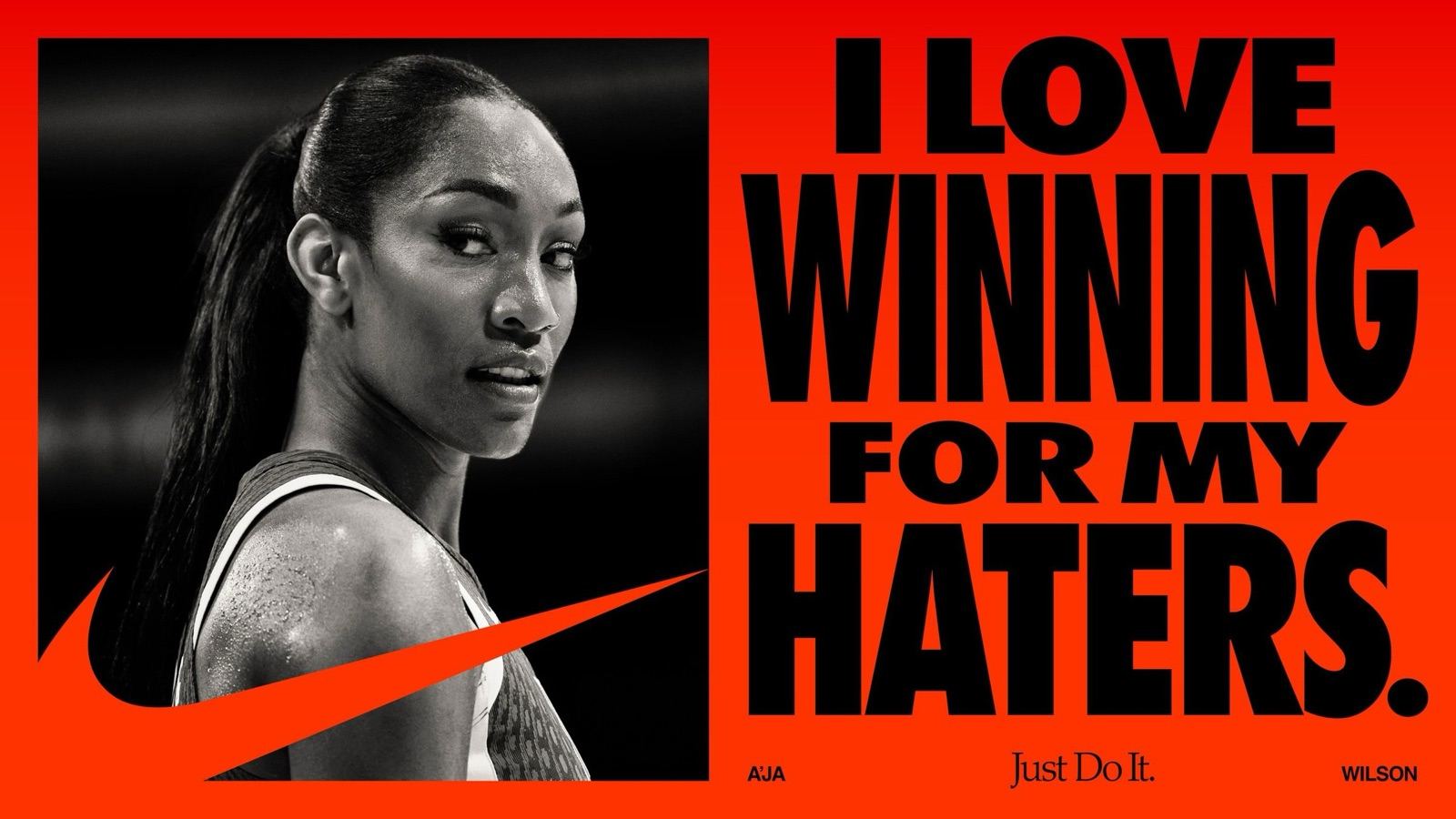
Image: Nike / Wieden+Kennedy Portland, D&AD 2025 entry. Research reference, not an endorsement. Brand and partner copyright; retain credit. Classroom use only.
Part 4 · A3 landscape · 420 × 297 mm · read left to right
Fifteen boxes. Every one is a decision.
HeaderRange name and Nike relationshipTerritory, customer and circumstanceOne-line promise
MainCultural rationale and evidenceHero product and small range viewPrice band and product roles
DecisionsTheory 1: decision and limitTheory 2: decision and limitWhat stays Nike / what changes locally
ActivationFunnel, channels and launch momentCampaign idea, creators and shot directionKPIs, targets or to be established
FooterMain risks and permissionsUnknowns and next testSource keys and image credits
About 250 to 350 words
Short phrases. No paragraphs.
Half the main area
Hero and range imagery.
Source keys
“Nike, 2026a” beside the claim. Full Harvard on the reference page. A QR code is not a reference.
Research report section 4. Tutor design guidance, not an industry rule.
Part 4 · a filled example · tutor-made, fictional, AI mock-up images
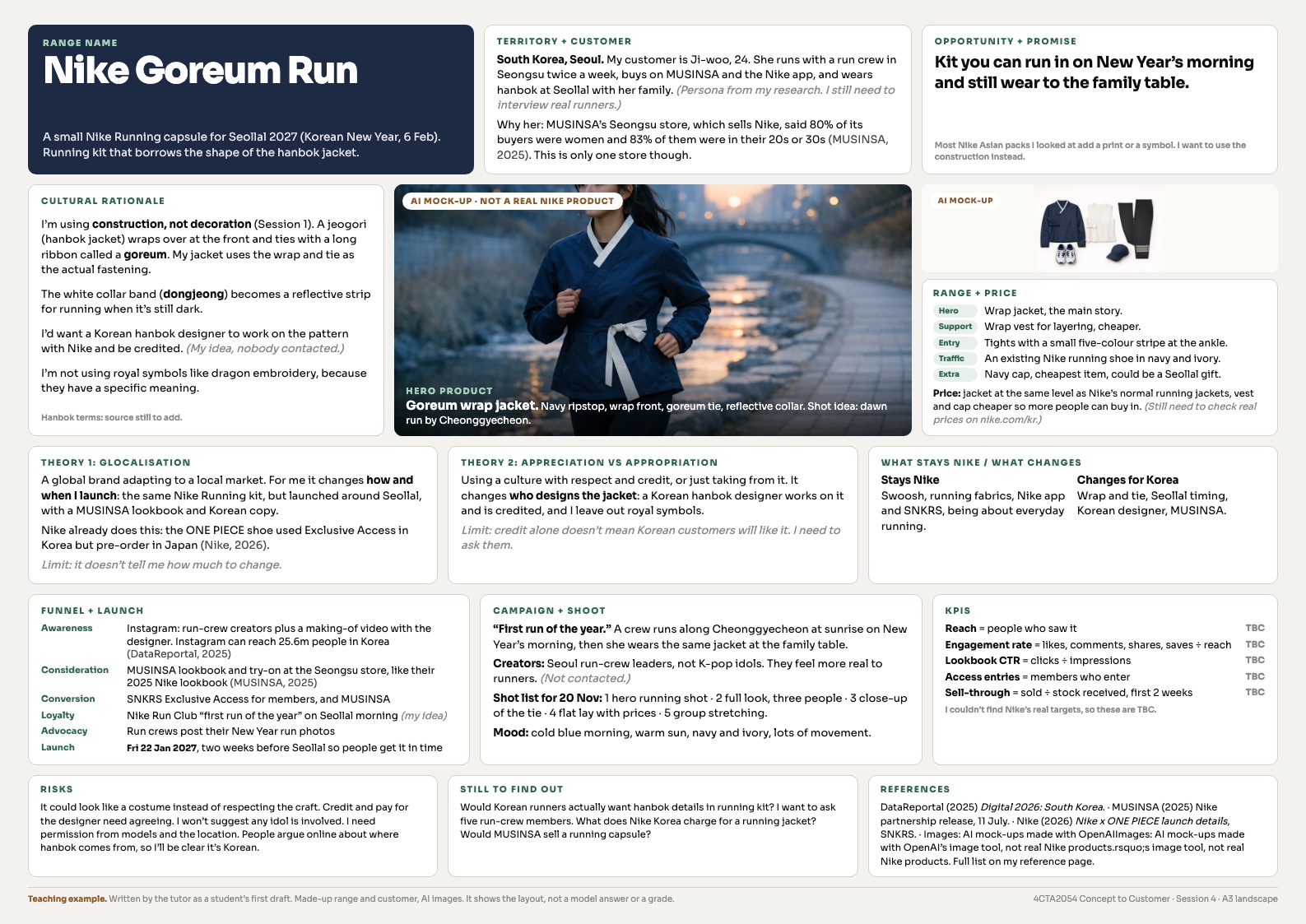
What a first draft can look like
Tap to enlarge
1
Read the top row firstName, customer, promise. In ten seconds you know who it is for and why.
2
One big imageThe hero product carries the page. The range sits beside it, each piece with a job.
3
Theory changes a decision“For me it changes how and when I launch”, not just what the theory means.
4
Honest gapsGrey notes say what is still a guess. KPI targets say TBC. Nothing is made up.
5
Construction, not decorationThe hanbok wrap and tie become the real fastening. The colour stripe stays small.
Learn: One dominant message, a repeatable image and type relationship.
Not an internal brief or Asian sales evidence.
Sources: Slack (Sep 2020, historical); JKR / Mozilla (2024); D&AD (2025). Research reference, not an endorsement. Brand and partner copyright; retain credit. Classroom use only.
Part 4 · six ways to fail · the fix comes from the example on slide 22
Weak line, stronger line
The problemWeak: what we often seeStronger: from the exampleThe fix
Too much textA 150-word paragraph about Korean culture, Nike’s history and why the range matters.
“Kit you can run in on New Year’s morning and still wear to the family table.”
One line. If it needs a paragraph, it is not decided yet.
Vague customerCustomer: Asian Gen Z who love fashion and sport.
Ji-woo, 24, runs with a Seongsu run crew twice a week, buys on MUSINSA and the Nike app.
A real person you could interview.
Theory just namedThis range uses glocalisation.
Glocalisation changes how and when I launch: Seollal timing, MUSINSA lookbook, Korean copy.
Say what the theory changes.
Price from nowherePrice: £80.
Same level as Nike’s normal running jackets. (Still need to check nike.com/kr.)
Say where the number comes from, or say it is a guess.
No way to buy, no KPILaunch on social media.
SNKRS Exclusive Access and MUSINSA. KPI: sell-through = sold ÷ stock, first 2 weeks.
Where they buy, and how you would know it worked.
Pretty but emptyA full-page moodboard: sunsets, textures, a model, no product named.
One hero image with the product named: wrap jacket, goreum tie, reflective collar.
The image must show a decision.
Part 5 · 12:00 · one question for every campaign image
Where does the culture sit?
Tap to enlarge
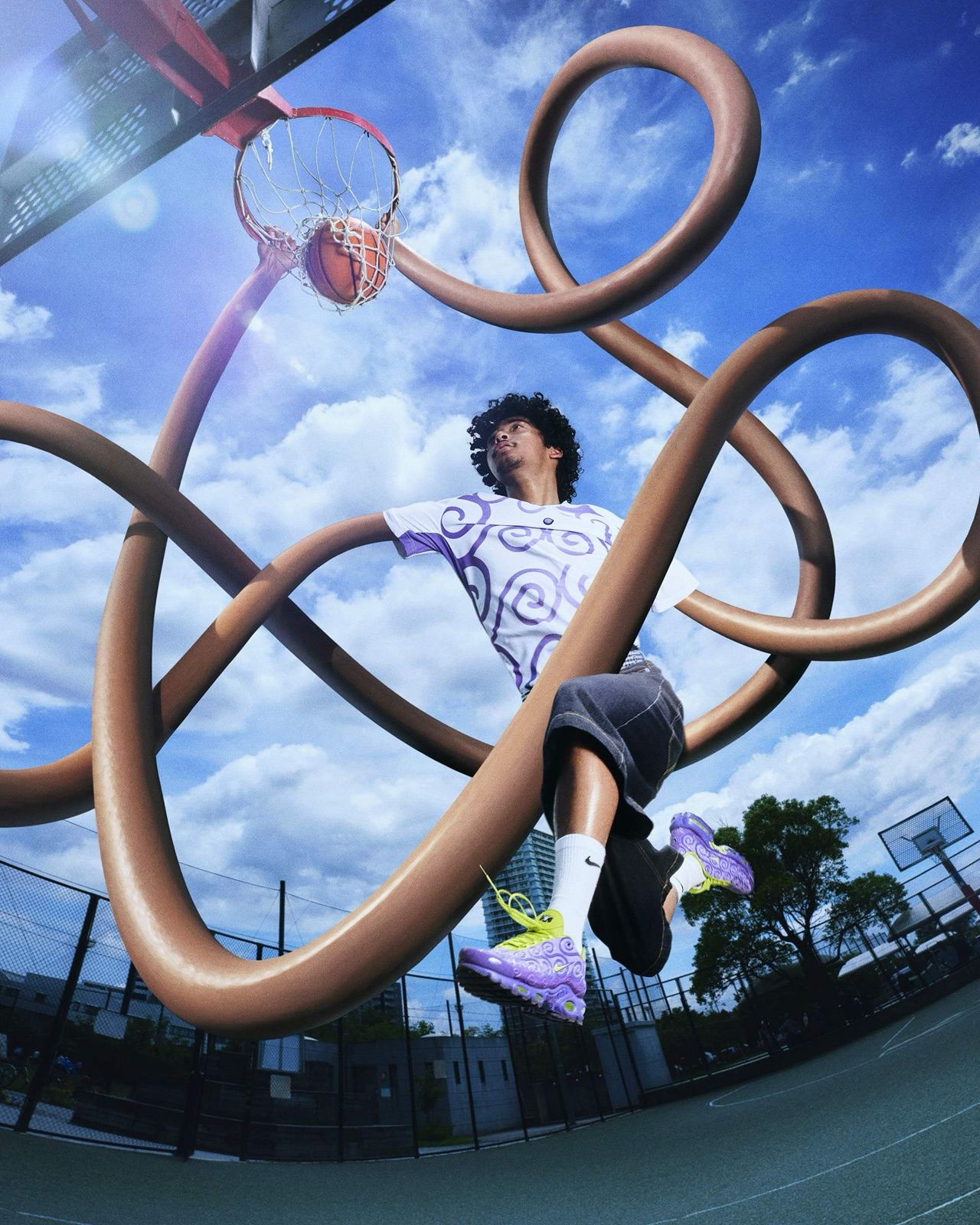
Nike x ONE PIECE · 23 Aug 2026
In the set: rubbery looping shapes, like Luffy’s stretch.
Decoration
The clothes are ordinary. Take the set away and the story goes.
Tap to enlarge
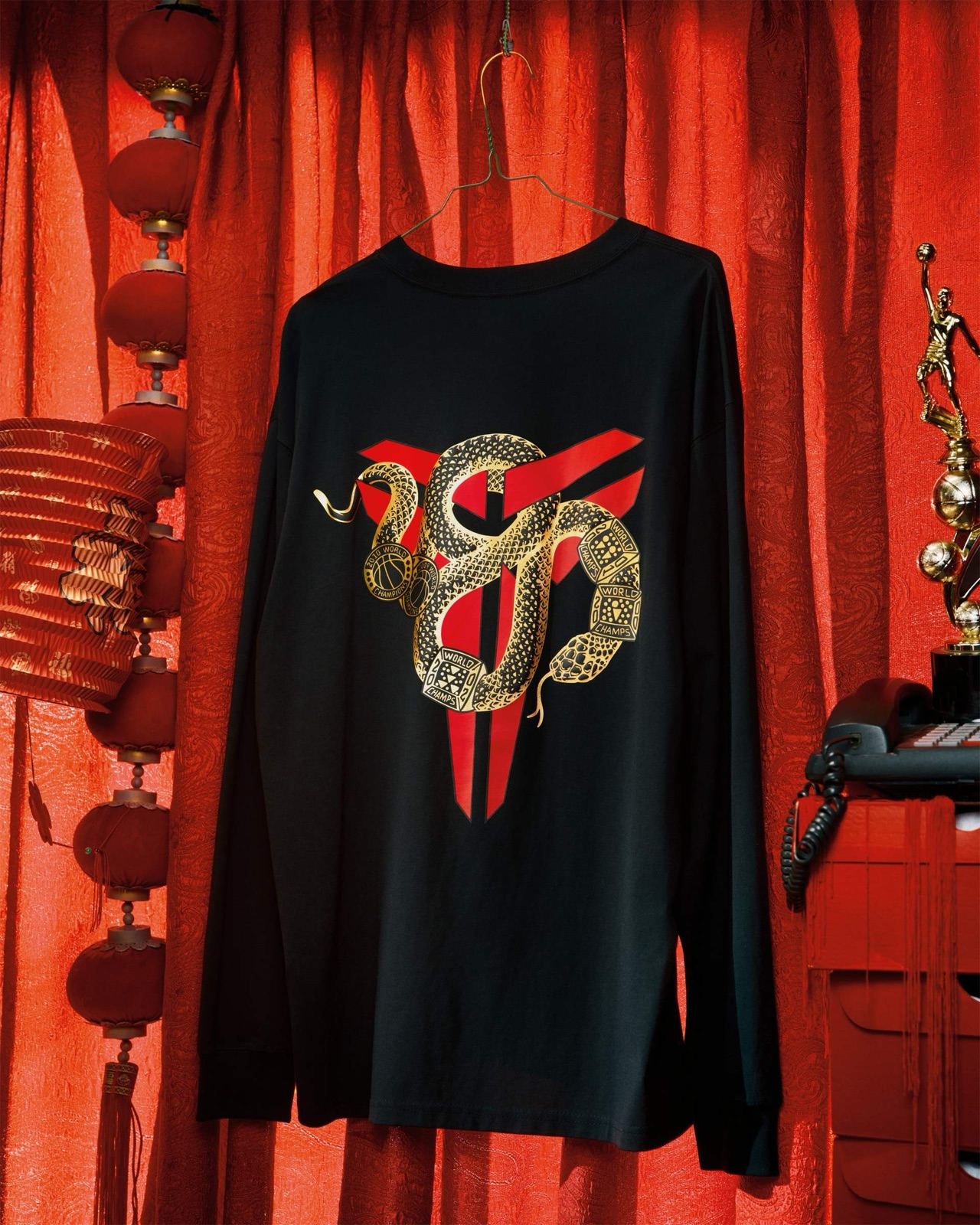
Year of the Mamba · 7 Jan 2025
In the print: a snake on a black top, red backdrop, lanterns.
Decoration
A print on a standard top. The garment itself has not changed.
Tap to enlarge
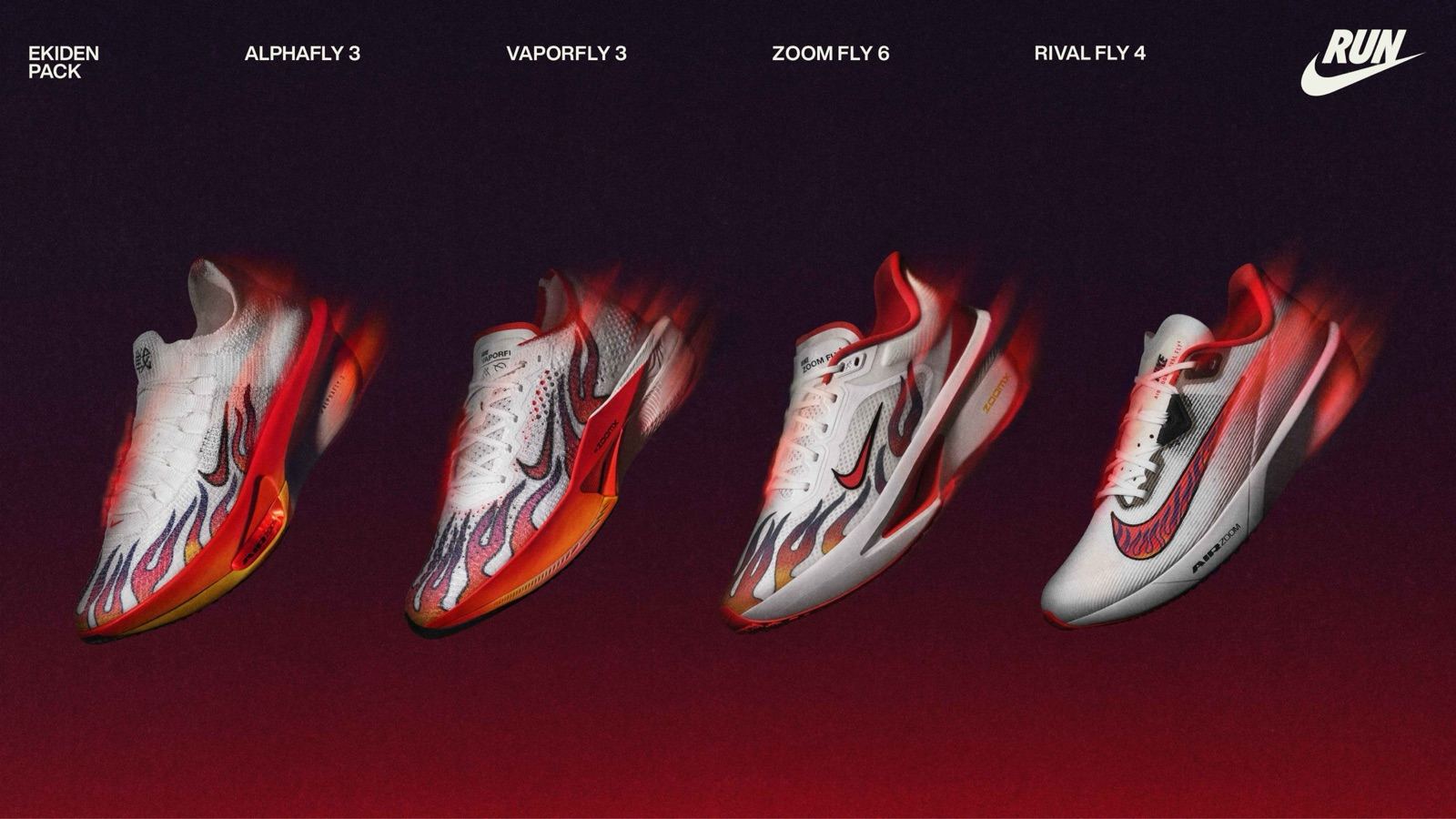
Ekiden Collection · 7 Nov 2024
In the graphic: a flame pattern on existing racing shoes.
Decoration
The shoe is the same racing shoe. The culture is the colour and flame.
Tap to enlarge
Goreum Run (our example) · AI mock-up
In the garment: the hanbok wrap and ribbon tie are how the jacket closes.
Construction
Take the print away and the culture is still there, in the shape.
The test
Take the print, the set and the props away. Is the culture still there? No = decoration. Yes = construction. Both are fine; your playbook and your shoot must say which.
Images: Nike newsroom (23 Aug 2026; 7 Jan 2025; 7 Nov 2024); fourth image a tutor-made AI mock-up, not a Nike product. Research reference, not an endorsement. Brand and partner copyright; retain credit. Classroom use only.
Part 5 · plan the 20 November shoot from the playbook
Every shot has a job in the funnel
HeroAwarenessCustomer, setting, attitude, one cultural idea.
Full lookConsiderationHow the range works together: hero and support.
DetailConsiderationOne material, fastening or graphic. Label real versus mock-up.
Product + infoConversionClear product, price and the correct purchase route.
Community momentLoyalty + advocacyA credible activity, consent, a reason to share.
Mood direction = light, palette, framing, movement, styling. “Cool Asian vibe” is not a direction.
Cultural checks before you shoot
Everywhere: name the specific community and meaning before using a symbol. Sacred, religious, royal or political imagery needs informed review.
Thailand: no sacred tattoo or ritual references as sports graphics. Korea: never imply an idol partnership. Japan: a manga licence is not free access. China: explain the local context; no national symbols as shorthand.
Creative-review prompts, not legal clearance. Get model and location permission.
Research report section 5. Tutor planning prompts, not a required image count.
Part 5 · for anyone shooting a garment from another module
Shooting your hanbok on 20 November
1
You are not marked on garment design hereThis module marks the playbook decisions and the campaign images. Making a garment earns no extra marks, and nobody had to.
2
Your hanbok is a styling piece, not the Nike rangeShow it with Nike sportswear: your own Nike pieces as stand-ins, layered or side by side. Label every image: “Hanbok by [name] for [module]. Styling piece, not a Nike product.”
3
Give it a job in the playbookIt can be the construction source (wrap, tie, collar, sleeve line) your range borrows. Then shoot it in a detail shot next to the Nike piece that borrows it.
4
Say where it came fromThe garment was made for another module, so declare that in your portfolio. Only the new photographs and decisions are assessed here.
Territory check first
Hanbok is Korean dress. It can carry your cultural rationale only if your territory is South Korea.
China, Japan or Thailand? It cannot stand in for that culture, and the hanbok versus hanfu origin argument is live and political online. Talk to me before the shoot.
Example
The example playbook (slide 22) borrows the hanbok wrap and goreum tie for a Nike running jacket: one detail shot shows both together.
Tutor guidance. Check the module handbook for the rule on reusing work from another module.
Part 5 · for everyone · your hero product without sewing it
No hanbok? Make your product with an AI mock-up
The recipe: fill it in order, then write it as one line
3Construction from your territoryhanbok jacket wrap front, closed with a long ribbon tie
4Material + colourmatte navy, thin ivory collar band
5Customer + settingwoman in her mid 20s jogging at dawn by Cheonggyecheon, Seoul
6Camera + light35mm documentary photo, low warm sun
7Formatlandscape 3:2. No logos, no text.
Ingredient 3 is the one that matters. Borrow a sleeve, fastening, seam or shape from your territory research, not just a print. Construction, not decoration.
Tap to enlarge
Run 1: the recipe as written
Tap to enlarge
Run 2: same product, setting changed to a flat lay
One change per runLog v1, v2, v3 and what you changed. It goes in your appendix.
Any tool you can useChatGPT, Gemini or Adobe Firefly. Say which one.
Label every image“AI mock-up, not a real Nike product.”
No fakesNo made-up logos, no real celebrities or idols.
On 20 November
Style your own clothes to echo the mock-up: same colours, same shape. The shoot and the mock-up tell one story.
Example images: AI mock-ups made for the tutor example (OpenAI gpt-image-1.5), not Nike products.
12:20 · before lunch · two sentences, on paper
[Theory 1] says … So we will … We’ll check by …
[Theory 2] says … So we will … We’ll check by …
Bring these back at 13:30
Two theories that change two different decisions. The afternoon builds your funnel, journey and A3 playbook from them.
Image: Nike Ekiden Collection (7 Nov 2024). Research reference, not an endorsement. Brand and partner copyright; retain credit. Classroom use only.
Afternoon · 13:30 to 16:00 · Fashion Base Room
Draft your playbook
Theory in action, your funnel, your journey, then the A3 page. Tutor 1:1s run while you draft.
Image: Qinwen Zheng, Nike “Why Do It?” (4 Sep 2025). Research reference, not an endorsement. Brand and partner copyright; retain credit. Classroom use only.
Afternoon workshop · the agenda
Eight steps, two and a half hours
01
Reopen your audit
One decision, one gap
10 min13:30
02
Theory in action
Two rows done
20 min13:40
03
Build your funnel
Five stages, KPI each
20 min14:00
04
Sketch the journey
The moment that matters
10 min14:20
Break
10 min14:30
05
Draft the A3
Gaps visible is fine
35 min14:40
06
Peer swap
Two scenario cards
15 min15:15
07
Revise + self-check
Ten checks
20 min15:30
08
Shoot plan
Shot list for 20 Nov
10 min15:50
By 16:00
Two theory decisions, a five-stage funnel, a journey map with one moment that matters, a first A3 playbook and a shot list for Fri 20 Nov.
Steps 01 to 04 · 13:30 to 14:30
Three templates, in this order
Step 02 · Theory in action · 20 min
TheoryWhat it says, one sentenceThe decision it changes in my rangeEvidenceIts limit
Step 03 · Your funnel · 20 min
Stage and goalChannel or platform in my territoryContent or actionKPI and formulaTarget, or to be established
Step 04 · Your journey · 10 min
Five stages acrossTouchpointDoingThinking or feelingPainMoment that mattersSource, or assumption
Step 01 first, 10 minutes
Reopen your Nike Audit. Write your exact customer, territory and problem. Underline what is evidenced. Carry one decision forward and name one gap.
Step 06 · 15:15 to 15:30 · peer swap, two cards each
Pick two numbers. Test the draft.
Scenario 1
Your launch hashtag becomes unavailable a week before release.
Tap for the question
What alternative route keeps the message, and how will people find it?
Scenario 2
Your hero creator becomes unsuitable.
Tap for the question
What criteria pick a replacement, and what stays recognisably Nike?
Scenario 3
Your range sells out in an hour.
Tap for the question
Which stock, margin, access and customer data would you need before calling it a success?
Scenario 4
Lots of views, almost no product-page clicks.
Tap for the question
Which message or handoff would you test?
Scenario 5
Your customer can only afford the entry product.
Tap for the question
Does it still deliver the cultural idea and the Nike benefit?
Scenario 6
Your pre-order delivery date moves.
Tap for the question
What communication and service protects trust?
Scenario 7
A local participant says your reference is sacred or misrepresented.
Tap for the question
What evidence, consultation and redesign follow?
Scenario 8
Your customer does not use your platform or cannot reach the pop-up.
Tap for the question
What credible alternative reaches the same offer?
Steps 07 and 08 · 15:30 to 16:00 · revise, self-check, then the shoot plan
Ten checks before feedback
1A specific customer and circumstance in my territory
2A cultural rationale with a source and a respectful explanation
3A clear hero product and its role in the range
4Each theory changes a visible decision
5A limit stated for each theory
6Each funnel stage: channel, action, KPI, formula
7Unknown targets, prices and outcomes labelled honestly
8A real pain point; assumptions marked
9Someone could plan the shoot from my page
10Sources, image credits, risks and next tests visible
Last 10 minutes · shoot plan for Fri 20 Nov
Lock your draft direction. Write your five shots and the job of each, your mood direction, who does what, and the evidence and permissions to collect before the shoot.
Next: Independent Study Week, then the compulsory Photoshoot Day, Fri 20 Nov.
Source index · tutor prep, not for projection · research cut-off 29 Oct 2026
Sources and citable frameworks
Theory
Young (2008); Beverland (2005); Robertson (1995); Hofstede (2001), McSweeney (2002); Rogers (2003); Keller (1993); Lemon and Verhoef (2016); Kapferer (2012); Aaker (1997); Aaker and Keller (1990); Simmel (1957); Field (1970). All historical.
Funnel
Kotler, Kartajaya and Setiawan (2017) Marketing 4.0, historical; Tencent (12 Aug 2026); Weibo (19 Aug 2026); Kakao (6 Aug 2026); MUSINSA (11 Jul 2025); LY Corp/PayPay (2 Jul 2026); DataReportal Digital 2026 (Nov 2025); TikTok Newsroom ThaiRisers
Nike
Nike newsroom: ONE PIECE (23 Aug 2026), Year of the Mamba (7 Jan 2025), Ekiden (7 Nov 2024), Why Do It? (4 Sep 2025), China marketplace (21 Jul 2026), Nike Style Seoul (Jul 2022, historical); Nike Japan ONE PIECE page; SNKRS launch guide and fairness page; WPP Year of the Snake case (2025)
Layout
Slack Brand Guidelines (Sep 2020, historical); JKR Mozilla; State of Mozilla 2024; D&AD 2025, Winning Isn’t for Everyone
Films
NIKE JAPAN official YouTube (29 Dec 2025; 9 Jun 2026); Nike newsroom Why Do It? anthem MP4. Caveman films: Morchen Liu, 2026.
Kotler, P., Kartajaya, H. and Setiawan, I. (2017) Marketing 4.0: Moving from Traditional to Digital. Hoboken, NJ: Wiley.
Lemon, K.N. and Verhoef, P.C. (2016) ‘Understanding customer experience throughout the customer journey’, Journal of Marketing, 80(6), pp. 69 to 96.
Kapferer, J.-N. (2012) The New Strategic Brand Management. 5th edn. London: Kogan Page.
Robertson, R. (1995) ‘Glocalization: time-space and homogeneity-heterogeneity’, in Featherstone, M., Lash, S. and Robertson, R. (eds) Global Modernities. London: Sage, pp. 25 to 44.
Rogers, E.M. (2003) Diffusion of Innovations. 5th edn. New York: Free Press.
Keller, K.L. (1993) ‘Conceptualizing, measuring, and managing customer-based brand equity’, Journal of Marketing, 57(1), pp. 1 to 22.
 KPI film
 KPI film
 KPI film
 KPI film
 KPI film
 Tap to enlarge