University of Hertfordshire · 5CTA2035 Concept to Customer · Week 3 · Mon 19 Oct
From screen to something people can buy.
Digital-to-physical workflows. Morning: the chain from concept to customer, four real cases, where digital helps and where it misleads. Afternoon: put your own hero product on the chain. No software today.
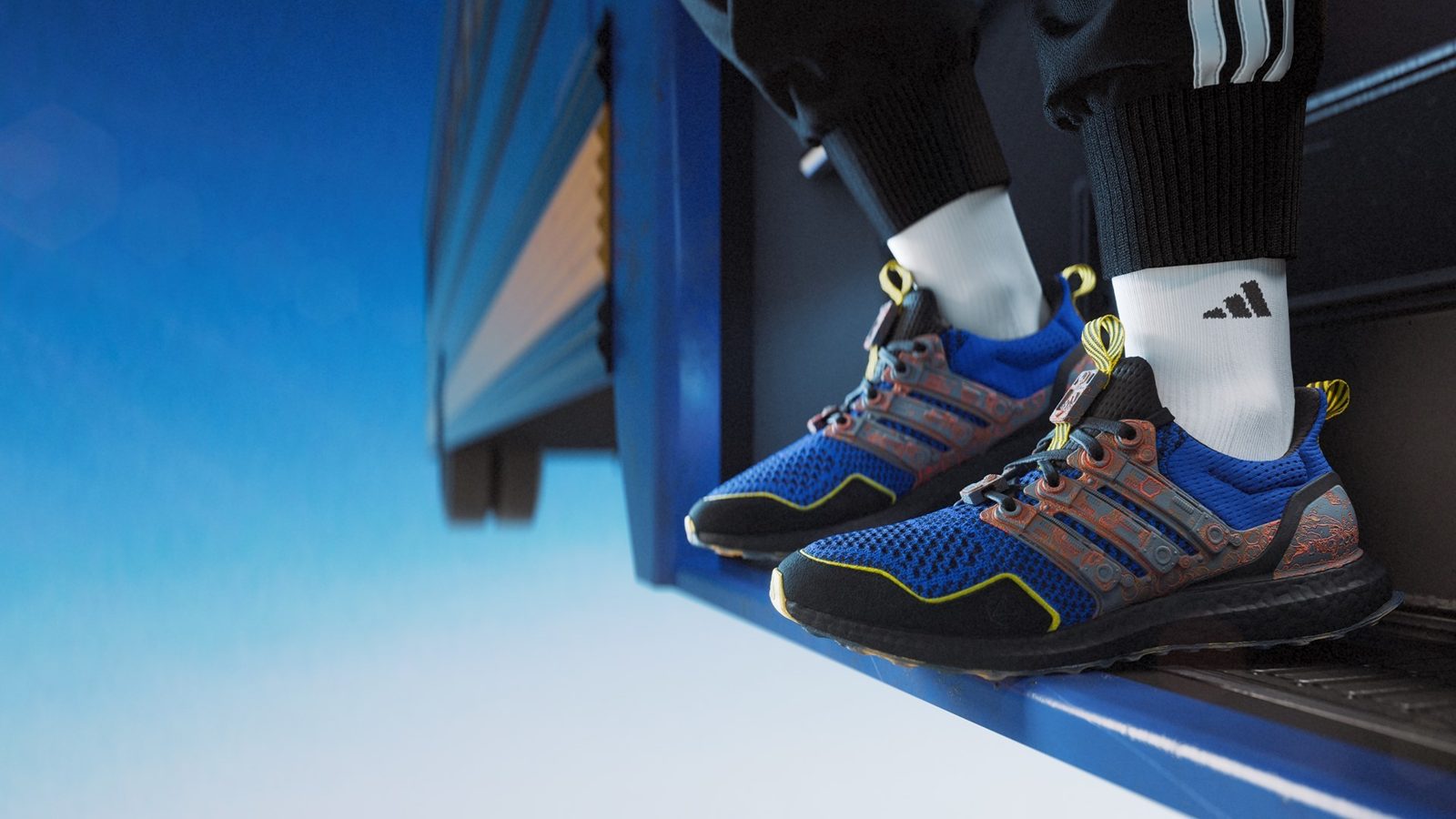
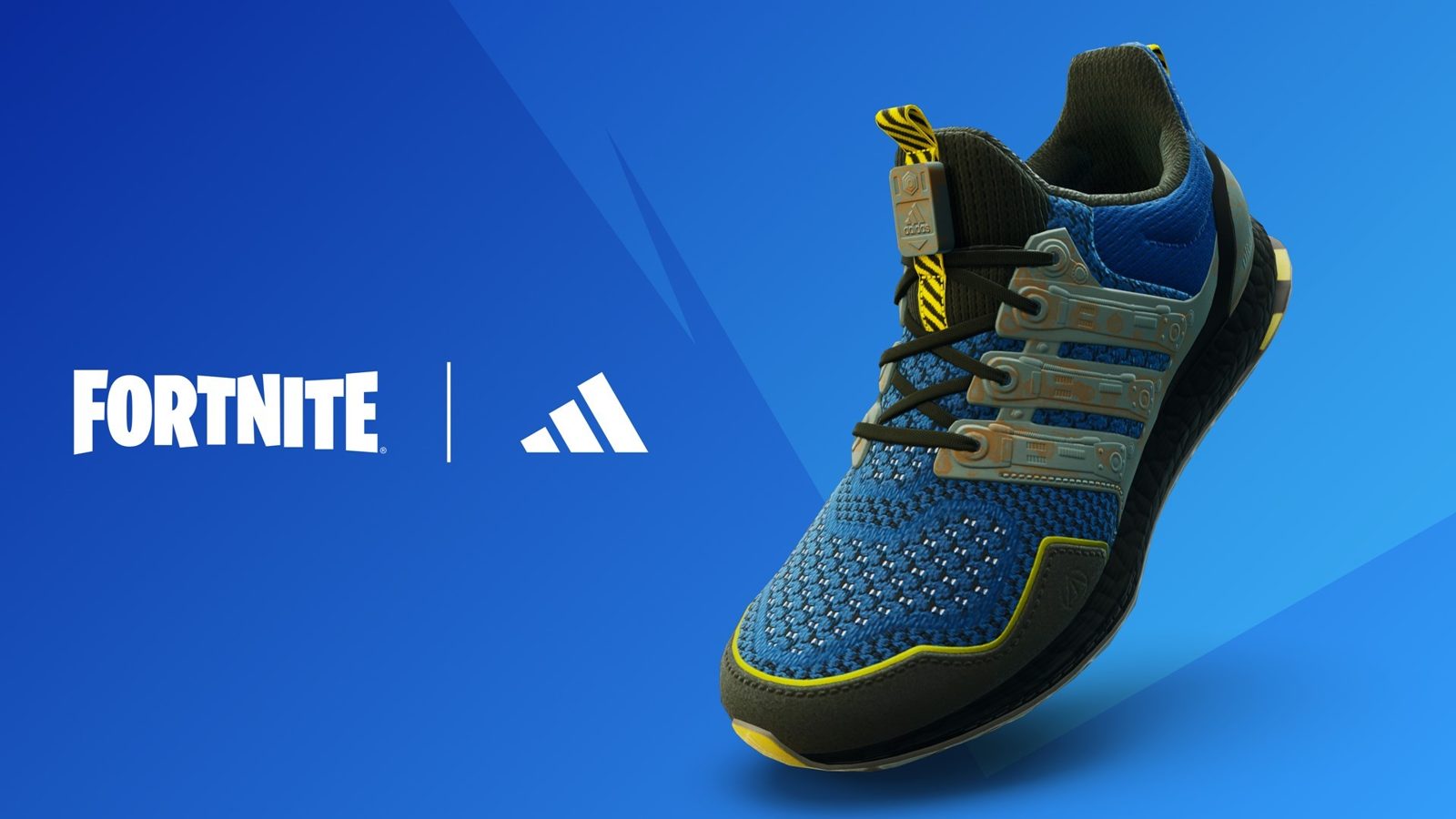
Image: adidas x Fortnite “Battle Bus” Ultraboost, adidas newsroom, 28 Feb 2025. Research reference, not an endorsement. Brand and vendor copyright; retain credit. Classroom use.
Recap · Week 2 · Building the Hype, and Thursday’s AI lab
Last week: the hype. This week: the product.
The rule
Story before retail. Name the mechanic.
The reveal
Creator-led is not creator-first. Check the account and the date, not the face.
What you made
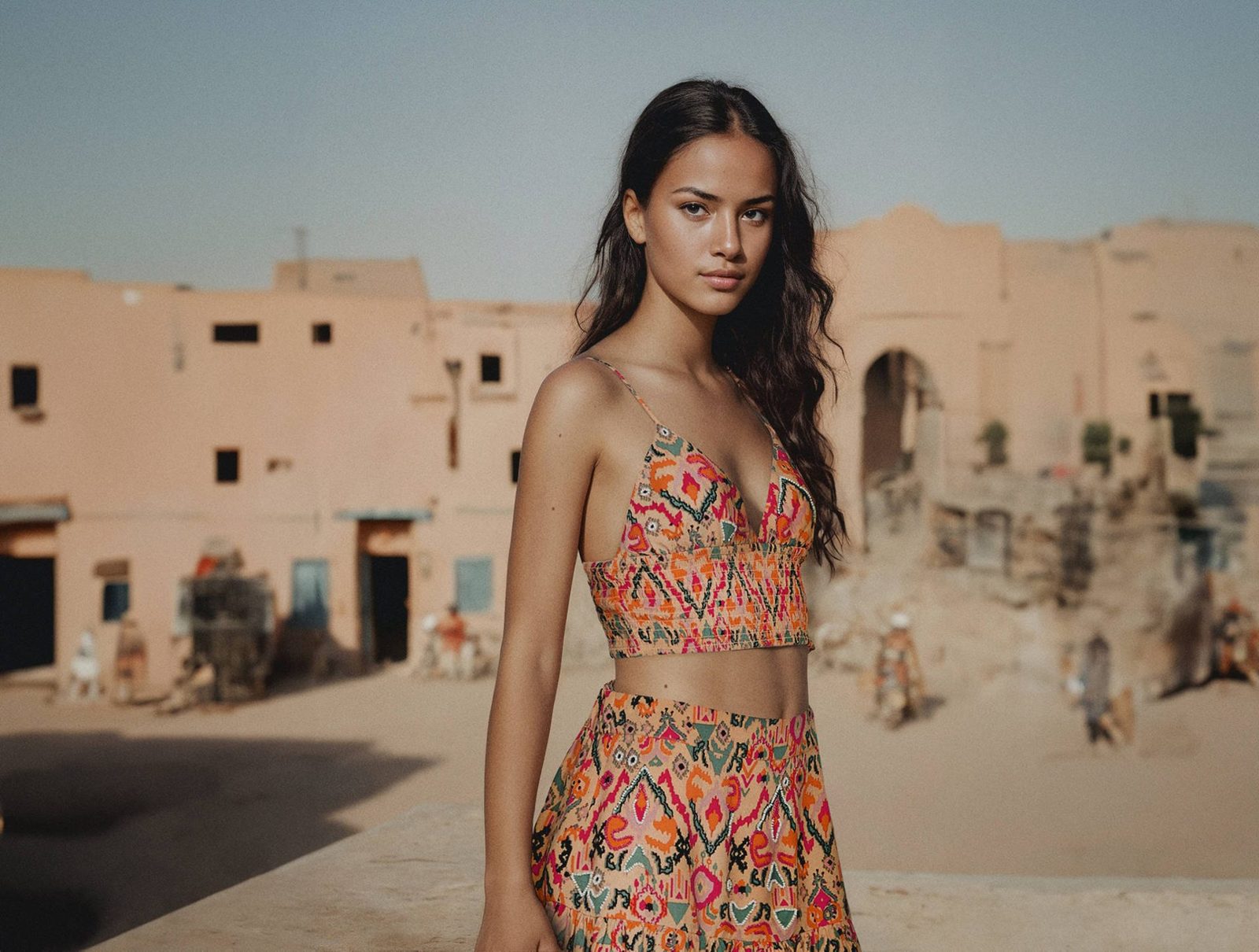
5 to 10 AI concept images for your pairing, labelled as concept mock-ups.
60 seconds, with your neighbour
Show your best AI image. Your neighbour asks one thing: could a factory make this tomorrow? What is missing?
Week 3 · how today runs
Morning: how ideas become products. Afternoon: yours.
AM · 10:00 to 12:30Lecture
10:00Recap and today10 min
10:10Part 1 · The chain30 min
10:40Part 2 · Why now20 min
11:00Break10 min
11:10Part 3 · Four real cases45 min
11:55Part 4 · Helps or misleads35 min
PM · 13:30 to 16:00Thinking workshop, no software
13:30Mark your image15 min
13:45Handover map, in pairs35 min
14:20Scenario cards20 min
14:40Break10 min
14:50Evidence and claims30 min
15:20Partner and promises25 min
15:45Explain and next step15 min
You leave with
Your hero product on the handover map, one physical test you must not skip, and your next handover written as a sentence.
Part 1 · 10:10
The chain
Every product you have ever bought went through the same handovers. Digital tools now sit inside every one of them.
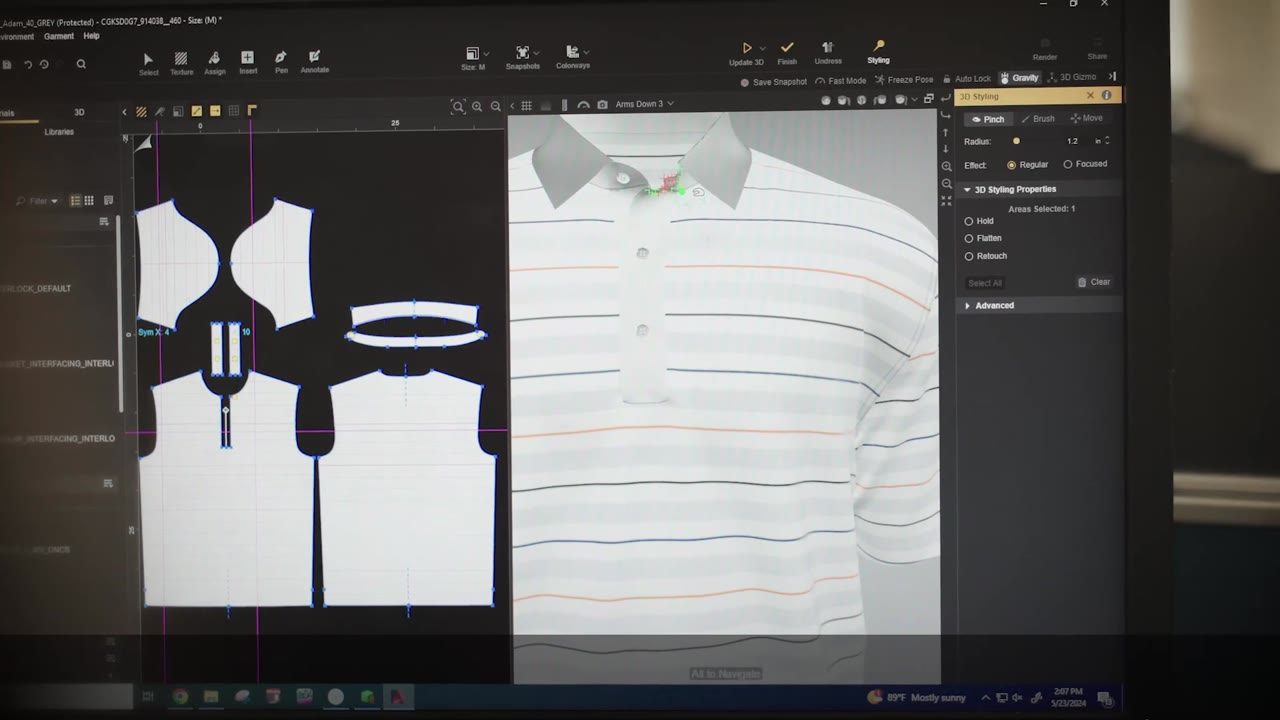
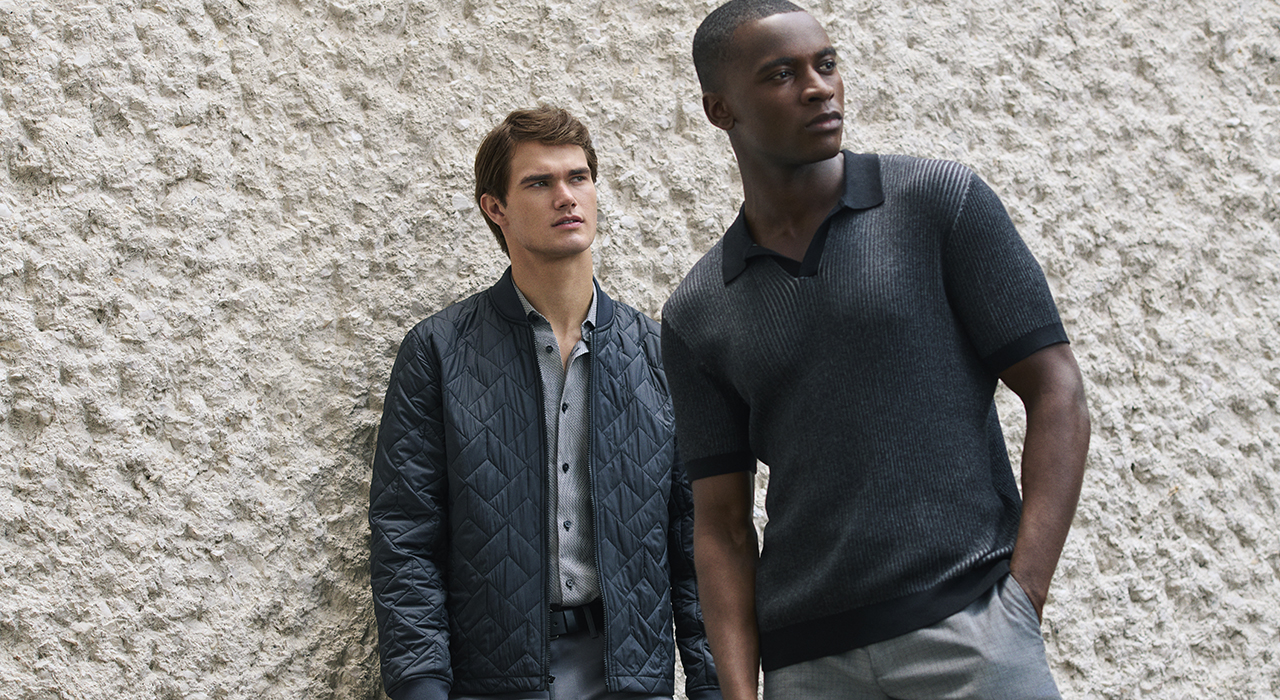
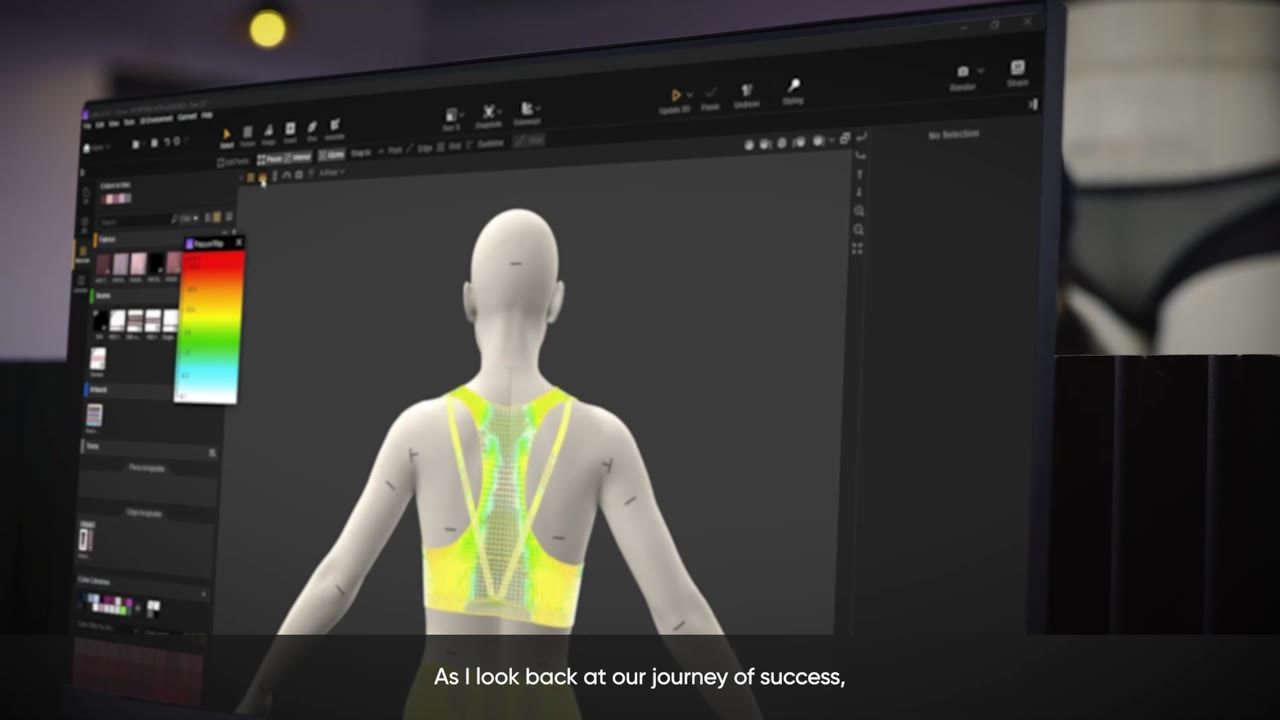
Image: still from the Browzwear and Perry Ellis International case film (01:45), Sept 2024. Research reference, not an endorsement. Brand and vendor copyright; retain credit. Classroom use.
Part 1 · concept to customer, eight handovers
Eight handovers between your image and a customer
Each stage passes something to the next person. Each one has an approval question. Green is where digital can carry most of the work; amber is where something physical has to be tested.
01
Concept
AI ideation
Mostly digital
Do all the views show the same product?
02
Spec
Tech pack, digital sample
Both
Could a maker understand it without guessing?
03
Review
Material and fit
Both
Which decisions use real data, which are guesses?
04
Sample
Physical validation
Must be physical
Does it work on a body?
05
Showroom
Buyers review
Mostly digital
Approved product or a proposal?
06
Sell
Product page, pre-order
Mostly digital
Is it feasible before money is taken?
07
Make
Production, quality
Must be physical
Is the factory making what customers saw?
08
After
Use, repair, resale
Both
Can the customer keep using it?
Think of it like this
A recipe photo is not a recipe. The cook needs quantities, timings and an oven. A factory is the cook.
Ask the room
Where is your hero product on this line right now? Point to the box.
Tutor synthesis of the research pack (REPORT section 1, from S03, S06, S08, S22, S24, S27). Stages overlap and loop; not any one brand’s process.
Part 1 · the three handovers students skip
Three things that look finished, and are not
An AI image
is not
a tech pack
It shows a mood. A maker needs measurements, materials and construction.
A 3D render
is not
a tested sample
It can look perfect and still be built on guessed fabric data.
A sold-out pre-order
is not
permission to produce
Demand is not proof the factory can make it.
Don’t say“Here is our product.” (pointing at an AI image)
Say“Here is our concept. Before it can be made, we need ___ from ___.”
Teaching distinctions from the research pack (REPORT section 1). Not claims about how any particular brand works.
Part 1 · eight terms, as the questions they answer
Learn the question, and the word follows
What is the digital version linked to?
Digital twin
A digital version tied to data about the real thing, kept up to date.
Can we review it before cutting fabric?
Digital sample
A virtual version used to check some decisions before a physical one.
What does the factory need?
Tech pack
Measurements, materials, components, construction and artwork.
Where do buyers see the range?
Virtual showroom
A digital space where buyers view and discuss a collection.
Is it made after I order?
Made-to-order
Made once a customer orders. Not necessarily custom-sized.
Does demand trigger production?
On-demand
Production started by orders or demand signals, not only forecasts.
Where does the product’s data live?
Digital product passport
A structured record of the item, set by EU rules for each product group.
Where do the digital and physical meet?
Phygital
A designed link between a physical product and a digital one.
Careful: a model’s digital double, a 3D garment, a game shoe and a passport are four different things. None of them needs an NFT.
Plain-language definitions paraphrased from the research pack (S03, S08, S24, S27).
Part 2 · 10:40
Why now
AI content, digital samples, digital models and an EU product record are all arriving at once. Each number below measures something different.
Image: Zalando, digital twins of real models, 7 May 2025. Research reference, not an endorsement. Brand and vendor copyright; retain credit. Classroom use.
Part 2 · four numbers, four different measures
Big numbers, small claims
Each number is real. None of them measures the same thing. Amber means the source is the software company selling the tool.
>35%
of executives use generative AI for images, copy, service or discovery
Survey evidence
Does not prove
Not the share of garments made in 3D. Sample size not given in the free summary.
BoF and McKinsey, State of Fashion 2026 (17 Nov 2025)
>50%
fewer physical sales samples at Perry Ellis; 75% in some brands
Vendor evidence
Does not prove
Sales samples only. Not all samples, not waste, not emissions.
Browzwear case study (4 Sep 2024)
>30%
shorter development time at bonprix
Vendor evidence
Does not prove
One workflow, no baseline given. Not an industry average.
Browzwear case study (6 Jan 2024)
90%
of Zalando’s product content was AI-generated in 2025
Company evidence
Does not prove
Content, not garment making. Does not prove AI drove revenue.
Zalando full-year results (12 Mar 2026)
Ask the room
Could you put these four on one chart called “the rise of digital fashion”? Why not?
Sources: BoF and McKinsey (S09), Browzwear (S03, S10), Zalando (S11). Percentages carry no currency.
Part 2 · the EU digital product passport
A product record is coming. Not yet for your jumper.
Now
Framework in place
ESPR sets the rules
Oct 2026
Today
Textile rules not yet adopted
Q3 to Q4 2027
Textile rules expected
Indicative, not final
2029 at the earliest
Obligations apply
After at least 18 months
Don’t say“From 2027 every garment needs a passport.”
Say“We would organise reliable material and supplier data so a future passport can be filled in, and name who keeps it up to date.”
A QR code that opens a mood board is not a passport. A passport holds verified product information, under access rules set by the law.
Sources: European Commission DPP page (current at 18 Oct 2026, S08); Ecodesign for Sustainable Products Regulation (S12). Banner: European Commission, CC BY 4.0, resized.
Part 3 · 11:10
Four real cases
Two cross-industry collaborations, one development workflow, and one digital promise that broke.
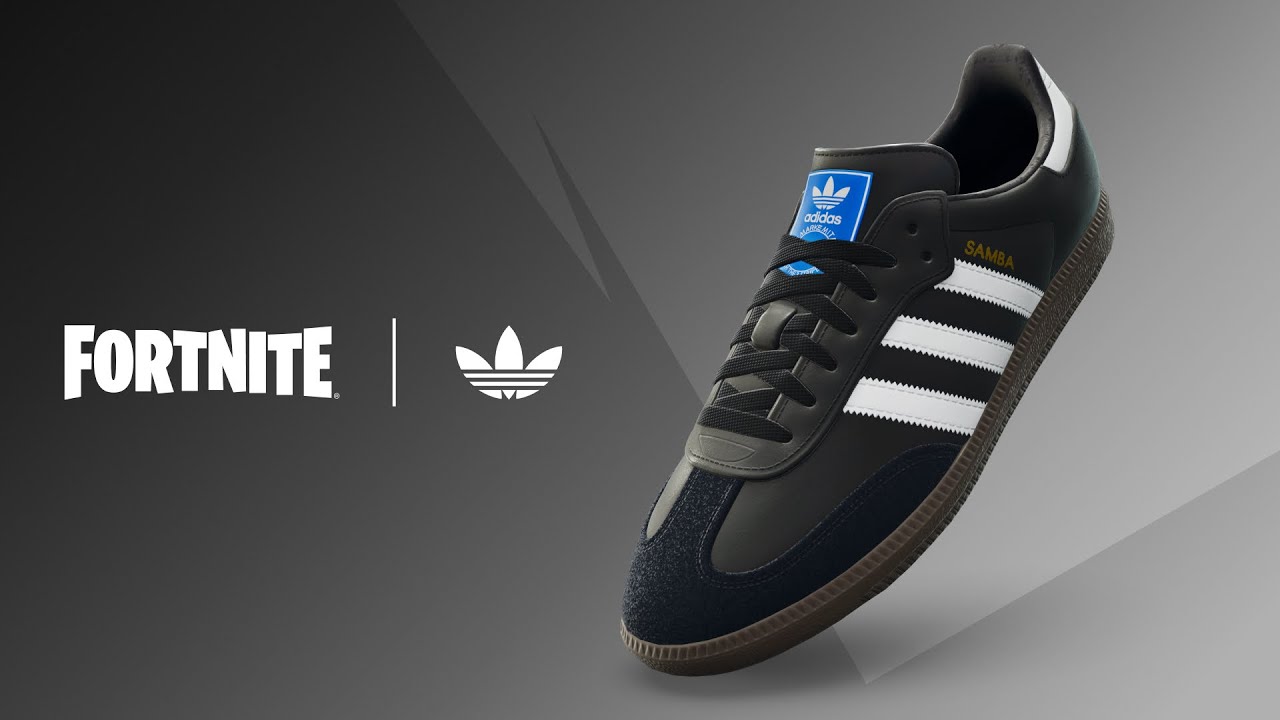
Image: adidas x Fortnite in-game Kicks, adidas newsroom, 28 Feb 2025. Research reference, not an endorsement. Brand and vendor copyright; retain credit. Classroom use.
Case A · adidas x Fortnite · 2025 · cross-industry
One idea, two products
“Adidas Kicks Now in Fortnite!”, Fortnite on YouTube, 14 seconds, Feb 2025. The earlier generic Kicks launch clip, not the Ultraboost film. Open on YouTube
28 Feb
announced adidas newsroom
1 Mar
digital on sale in game
22 Mar
shoes in stores adidas and selected stores
Digital
Game items first
In-game Kicks went live on 1 March 2025, three weeks before the shoes.
Physical
The same idea, in materials
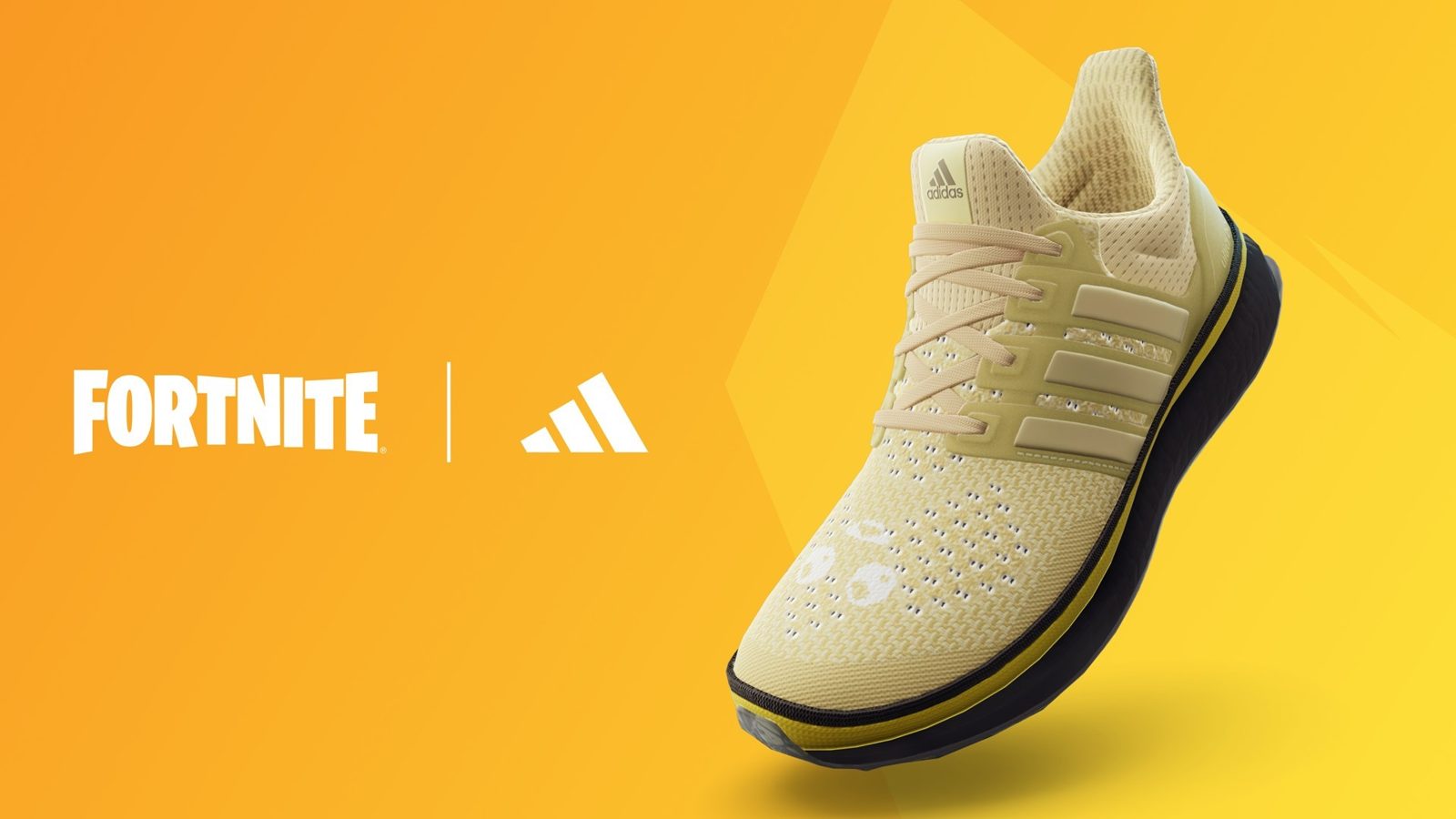
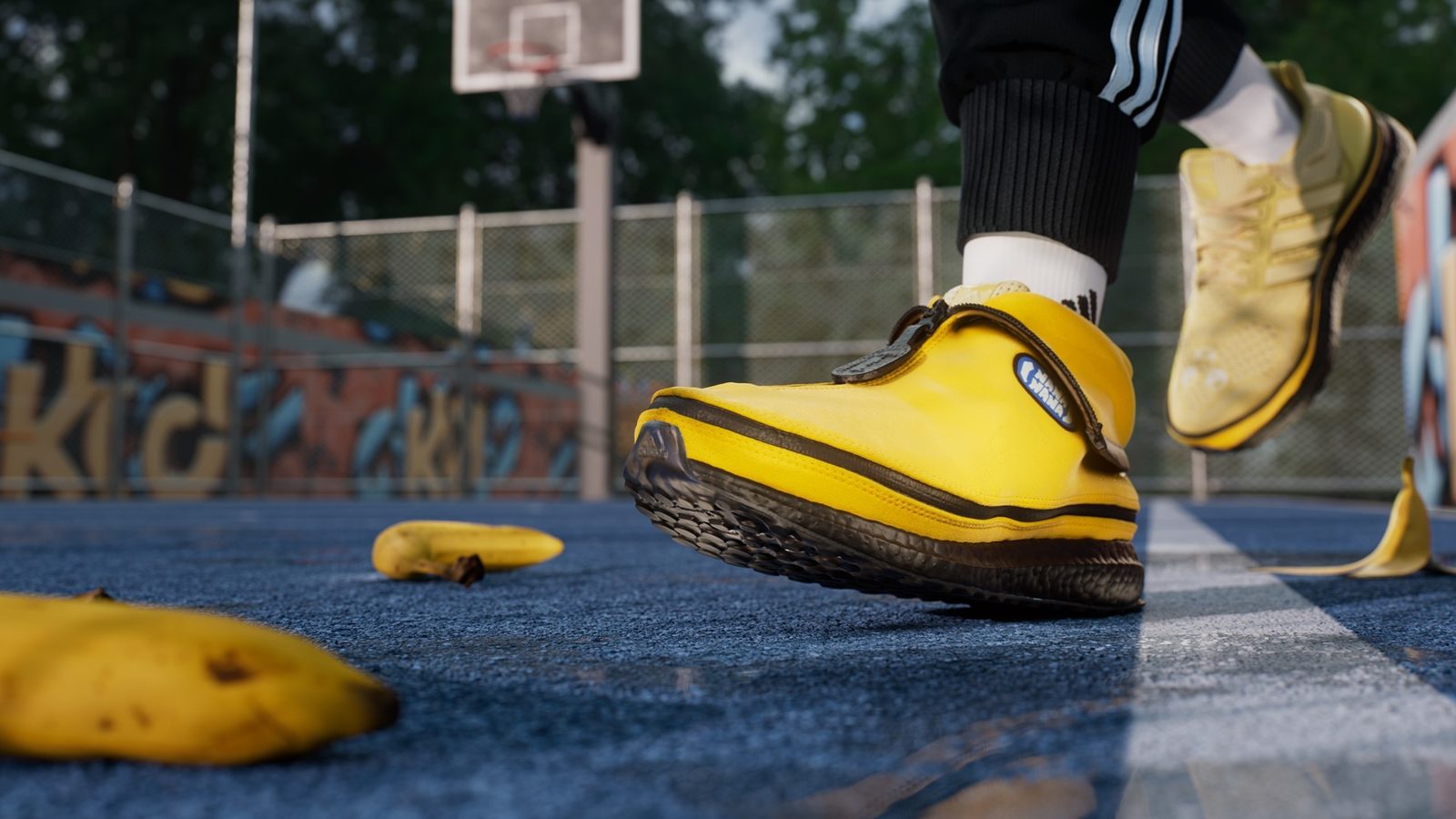
Ultraboost shoes based on the same characters. Peely has a removable outer layer.
Unknown
Same file? Not stated
No public proof the factory used the game file. Units sold and software: not stated.
Ask the room
What does an avatar’s shoe need that a real foot does not, and the other way round?
Film and poster: Fortnite, official YouTube upload, Feb 2025. Product facts: adidas newsroom, 28 Feb 2025. Research reference, not an endorsement. Brand and vendor copyright; retain credit. Classroom use.
Case A · side by side
What the avatar needs. What the wearer needs.
In the game
Looks right from every angle, on every avatar. No size, no weight, no wear.
In the store
Sizes, cushioning, materials that survive rain, a layer that comes off and goes back on.
The physical list
Size range and fit
Real materials and colours
Removable layer that survives use
Cleaning, wear, safety on skin
Your turn
Write the physical list for your hero product. Four lines.
Images: adidas x Fortnite Peely Ultraboost, in game and physical, adidas newsroom, 28 Feb 2025. The physical list is a teaching prompt. Research reference, not an endorsement. Brand and vendor copyright; retain credit. Classroom use.
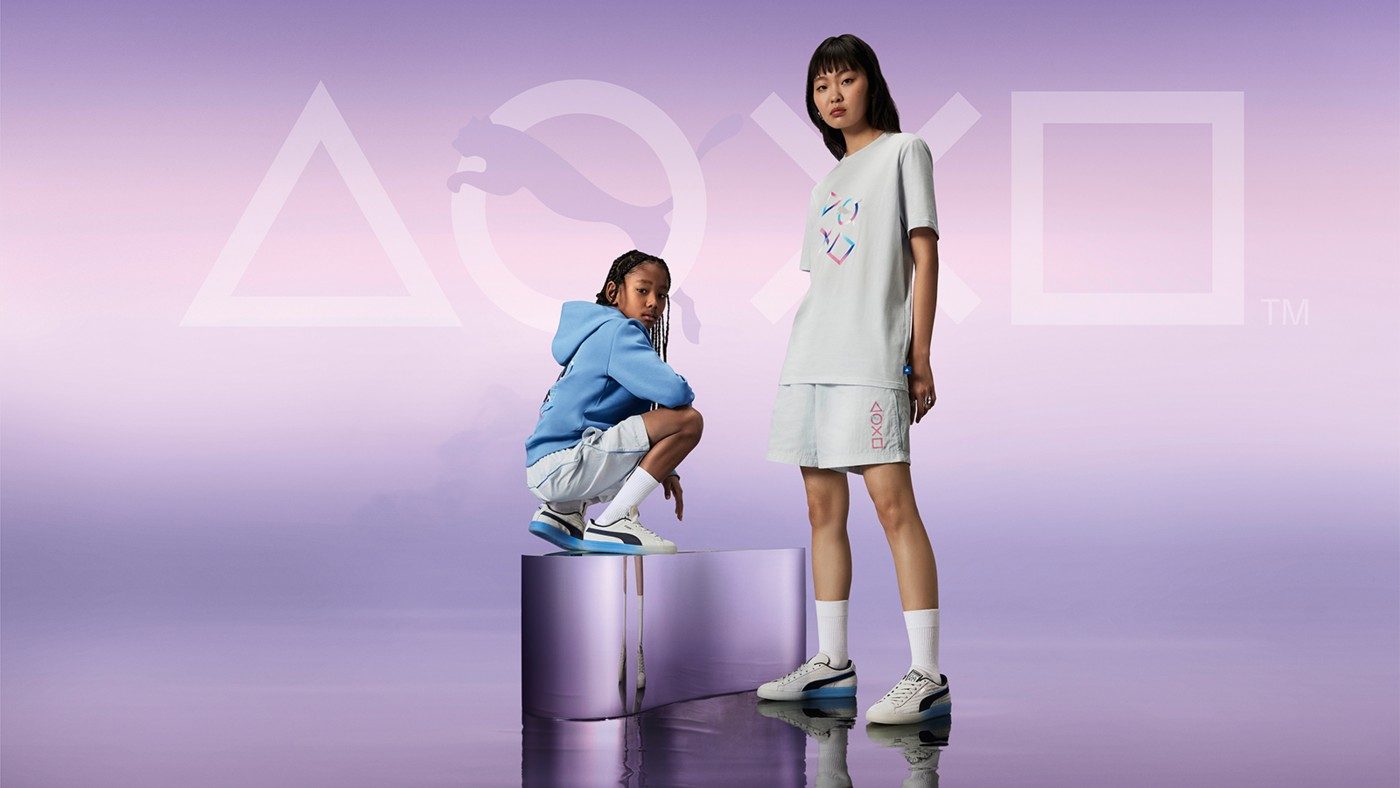
Case B · PUMA x PlayStation · 2024 · cross-industry
Turn a partner’s identity into finishes
No official campaign film was verified, so this is a moving still. PUMA media hub, 15 Apr 2024.
15 Apr
announced PUMA
18 Apr
on sale web, flagships, stockists
?
sales, savings not stated
Partner
PlayStation shapes
The controller symbols and brand world give instantly recognisable co-branding.
Product
Made in finishes
Apparel, Suede and RS-X shoes using prints, debossing and gradients.
Unknown
3D? Not stated
Whether it was sampled digitally is not public. A gaming partner does not prove a digital process.
Ask the room
Which of these finishes could you approve on a screen, and which needs a real test?
Image: PUMA x PlayStation, PUMA media hub, 15 Apr 2024. Research reference, not an endorsement. Brand and vendor copyright; retain credit. Classroom use.
Case C · before the film · who is Perry Ellis?
A designer’s name. A house of brands.
1976Designer Perry Ellis (1940 to 1986) starts making clothes under his name
1984Perry Ellis America with Levi’s: “the first of its kind”, says the company. An early collaboration.
1999Supreme International, founded in Miami by George Feldenkreis, buys the brand and becomes Perry Ellis International
2018Taken private by the Feldenkreis family: a $437m deal, off the Nasdaq
$874.9m
revenue fiscal 2018, last public
30+
brands 10-K, 2018
150+
countries licensing reach, 2018
Some of its brands
Perry EllisOriginal PenguinCallaway Apparel*PGA TOUR Apparel*Jack Nicklaus*Nike Swim*FarahCubaveraJohn HenryRafaella
* licensed from the owner
Ask the room
Thirty brands, many colourways each. Why would this company want one shared library of tested 3D assets?
Sources: pery.com (founder and brand pages, accessed 18 Oct 2026); Perry Ellis International 10-K for fiscal 2018, filed 17 Apr 2018 (last public figures); GlobeNewswire, 22 Oct 2018. Images: Perry Ellis International. Research reference, not an endorsement. Brand and vendor copyright; retain credit. Classroom use.
Case C · Perry Ellis and Browzwear · 2024 · development workflow
A digital asset you can trust, because it was tested
0:38 to 1:06
Browzwear case film with Perry Ellis International, 4:16, Sept 2024. Plays 0:38 to 1:06: the shared library. Vendor marketing. Open source page
>50%
fewer sales samples overall, vendor-reported
75%
in some brands vendor-reported
1
physical sample still made per colour family
Library
Validated before reuse
A shared library of 3D assets checked for fit, fabric and pattern.
Use
One real sample, many colours
A physical sample in one colourway; other colours reviewed digitally.
Proof
The seller’s own story
Sample savings are reported by the software company. No audit, no baseline.
Ask the room
What was checked before the digital asset could be trusted?
Film and still: Browzwear and Perry Ellis International, Sept 2024. Vendor case study. Research reference, not an endorsement. Brand and vendor copyright; retain credit. Classroom use.
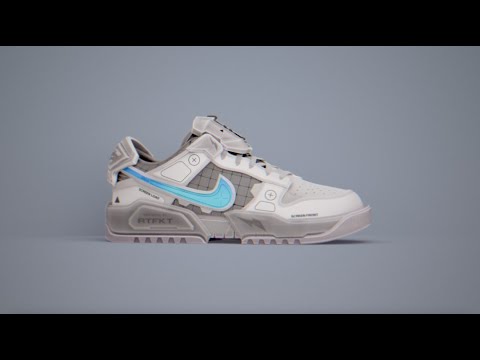
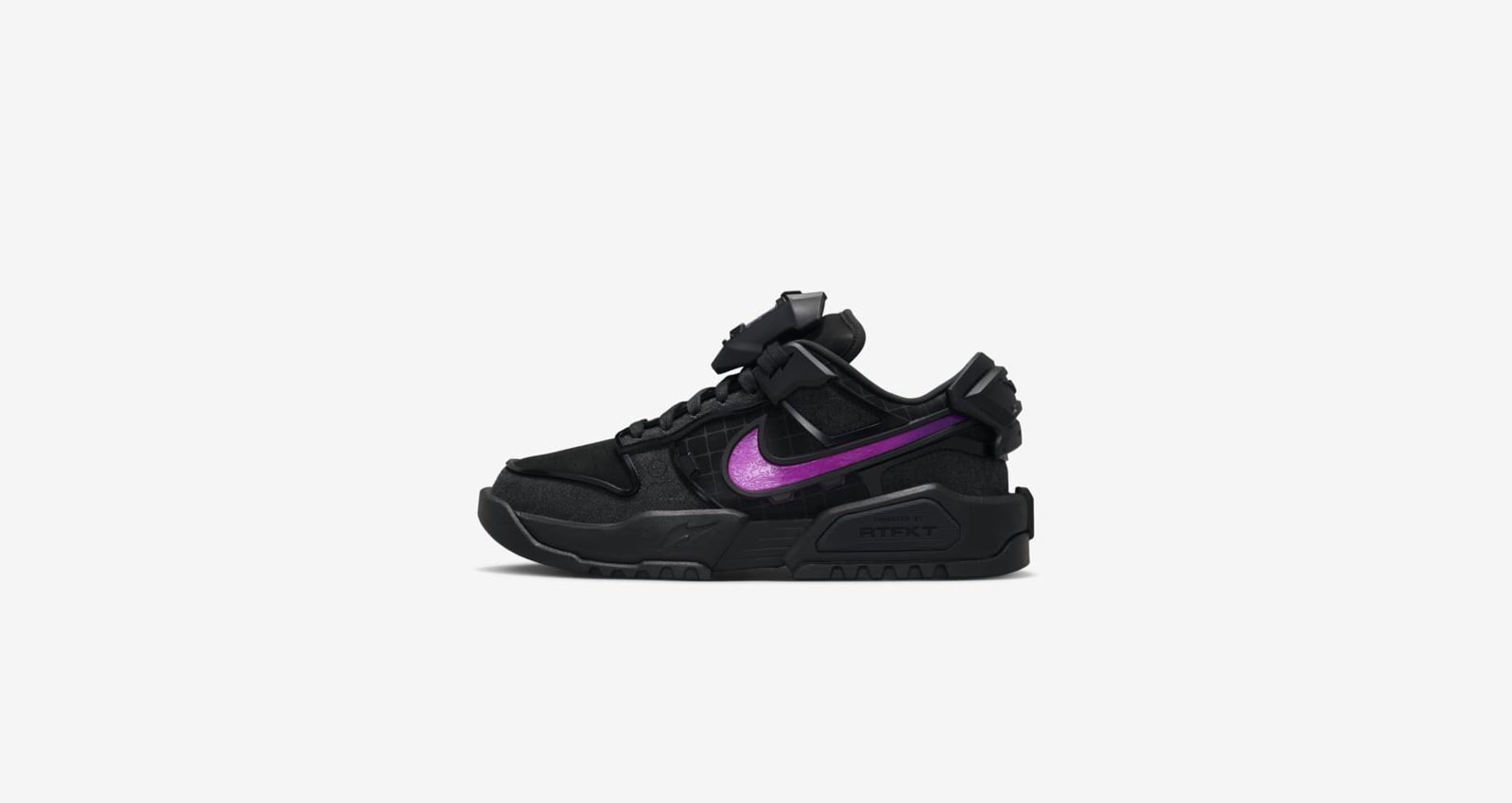
Case D · Nike and RTFKT · 2024 to 2026 · when the digital promise breaks
The shoe was real. The digital part closed.
Launch film · 0:05 to 0:35
RTFKT launch film, “RTFKT and Nike CryptoKicks, introduce the Future of Sneakers”, official RTFKT channel, 22 Apr 2022, 1:07. Plays 0:05 to 0:35: the box opens, the Dunk Genesis appears, a skin vial changes the shoe. Brand marketing. Open on YouTube
Jun 2024
Shoe released
Physical, with a virtual twin
Dec 2024
Wind-down announced
RTFKT
Jan 2025
Services end
Digital extras stop
Jan 2026
Arbitration
Court stays the case
Lesson
Who keeps the digital benefit alive?
If the platform closes, what does the customer still own? Plan it before launch.
Ask the room
If your product has a digital extra, who runs it in three years?
Sources: Nike product page (S05, S31), RTFKT announcement (S13), lawsuit reporting (S14), court record (S39, S15). Film: RTFKT, official YouTube channel, 22 Apr 2022. Research reference, not an endorsement. Brand and vendor copyright; retain credit. Classroom use.
Part 3 · the collaboration angle
Two brands, one file. Who owns what?
PUMA x PlayStation, 2024Both marks on one product: the PUMA cat inside the controller symbols. Agreements 01 and 04.
adidas x Fortnite, 2025A game skin and a real shoe. Who made which file, and who approved the factory sample? Agreements 02 and 05.
Nike x RTFKT, 2022 to 2025The digital extra closed after sale. Agreement 06.
Launch material never shows the contract. For your project, propose these six agreements between your fashion brand and your partner.
01
Logos, characters, patterns
Who owns them, where and how long they can be used, what can be changed.
02
Working 3D and pattern files
Who makes them, who can edit them, what the factory receives.
03
Renders and AI campaign images
Rights in the sources and any faces; reuse; how AI use is disclosed.
04
Where both logos sit
One approved artwork sheet: size, colour, placement on product, pack and social crops.
05
Versions and sign-off
A named approver in each organisation, a version number and a deadline.
06
The digital extra after sale
Who runs it, for how long, what transfers on resale, the exit plan.
For your pitch
One slide that names who approves the hero product, the campaign images and the digital extra, in each organisation.
Governance proposal for the student project (REPORT section 5). Not the reported contract terms of any case. Images: PUMA media hub (15 Apr 2024), adidas newsroom (28 Feb 2025), Nike / RTFKT. Which agreements each example illustrates is our reading, not a disclosed term.
Part 4 · 11:55
Where digital helps, and where it misleads
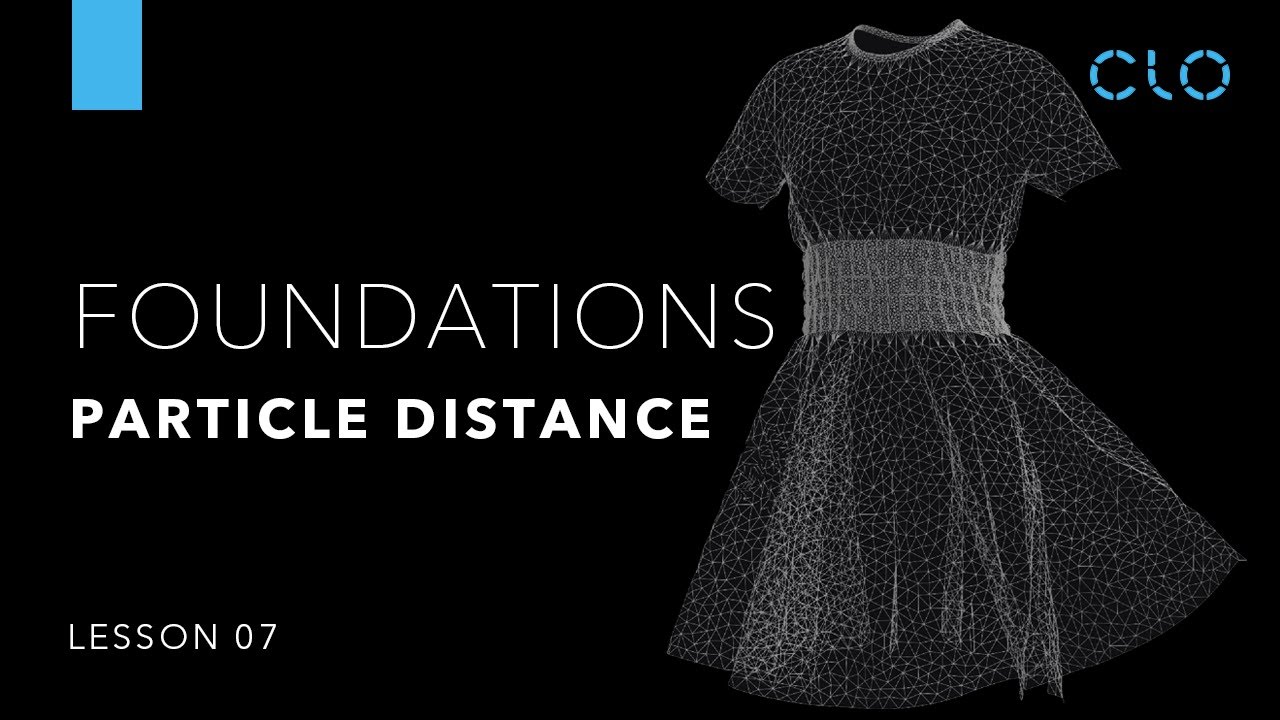
Watch real CLO3D software drape a garment on an avatar. It looks like fabric. Is it?
CLO drape simulation · 5:50 to 6:22
CLO, official channel: “Beginner’s Guide to CLO, Part 1: Simulation and Particle Distance”, 3 Mar 2020. The simulation drapes a gown on an avatar. Software tutorial. Open on YouTube
Film: CLO Virtual Fashion, official YouTube channel. Background image: CLO material service page. Vendor material. Research reference, not an endorsement. Brand and vendor copyright; retain credit. Classroom use.
Part 4 · the same sample, two ways
Old way vs digital way
The old way
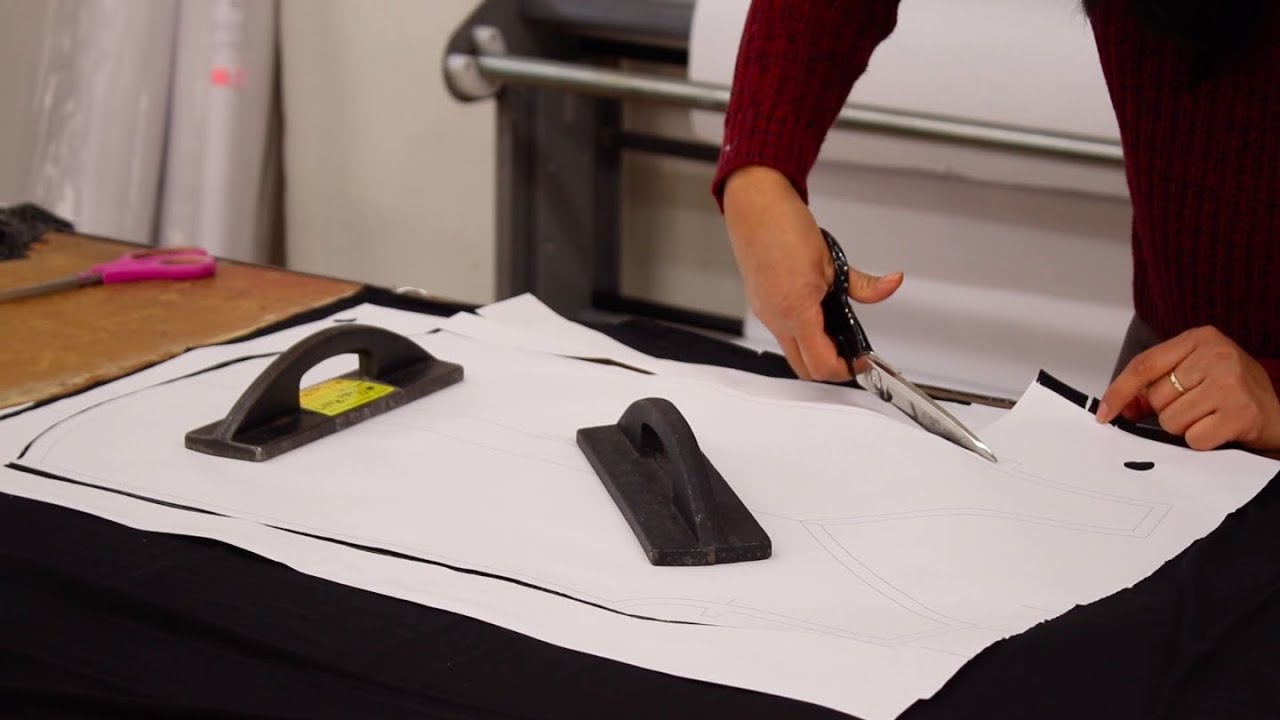
Old way · 0:52 to 1:15
Indie Source (US clothing manufacturer), “Hand Cutting a Development Sample”, 24 Jan 2020. Paper pattern on fabric, cut by hand.
01
Sketch
paper
02
Paper pattern
cut by hand
03
Cut and sew a sample
real fabric
04
Courier it
days in transit
05
Fit on a model
notes and photos
06
Change and repeat
another round
VS
The digital way
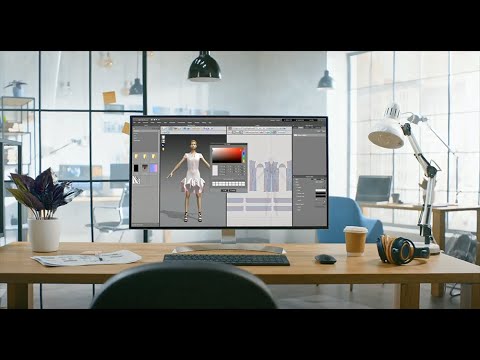
Digital way · 0:38 to 0:58
CLO, official channel, “The Evolution of CLO”, 29 Mar 2021. 2D pattern pieces become a 3D garment on an avatar.
01
Sketch
or AI concept
02
Digital pattern
2D pieces
03
3D sample on an avatar
measured fabric
04
Review on screen together
brand and factory
05
Change and re-simulate
same day
06
One physical sample
to confirm
The catch
The digital way still ends with a physical sample. It moves the guessing earlier and cheaper. It does not remove the real fabric test (next slide).
Films: Indie Source and CLO, official YouTube channels. The step chains are a teaching comparison, not a measured process for any brand; savings figures in this deck are vendor-reported (Perry Ellis, slide 16).
Part 4 · helps and checks
Worth trying. Worth checking.
Where digital helps
Fewer repeated sales samplesPerry Ellis, vendor-reported. Not zero physical development.
Faster review, remote teamsbonprix and others, vendor-reported. Record who approved what.
Faster contentZalando, company-reported. Content, not manufacturing.
Test demand before bulkH&M Creator Studio prints after an order. Not a measured saving.
What still needs a physical check
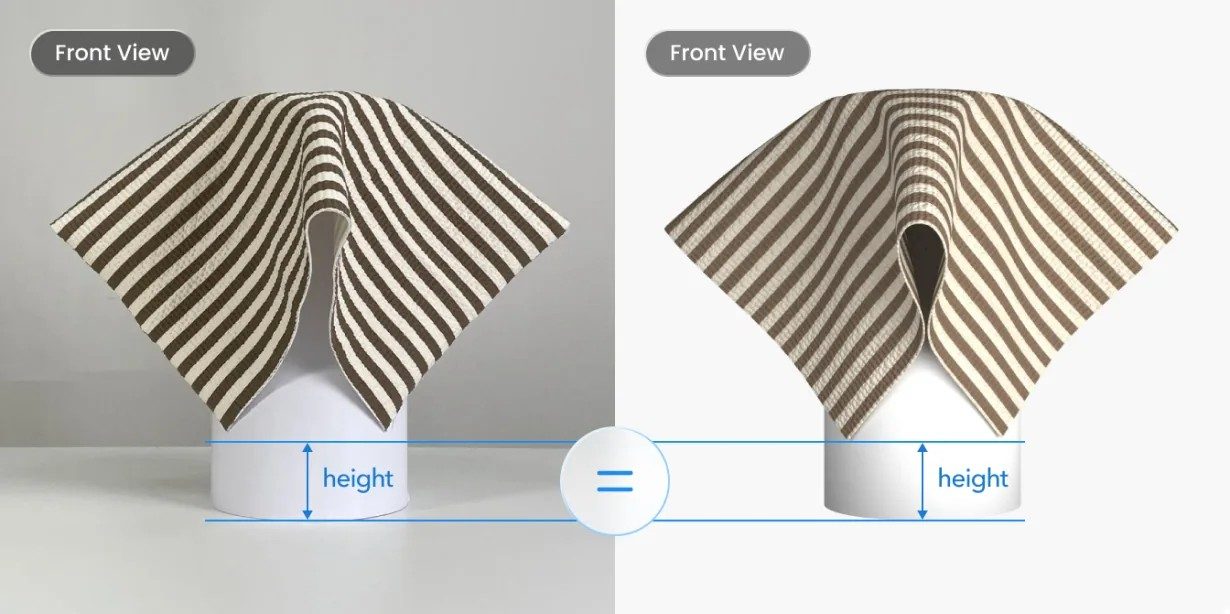
DrapeA fabric name is not enough. The simulation needs measured fabric data.
ColourScreens lie. Agree colour standards and check on the real material.
FitAn avatar is one set of assumptions, not your whole audience.
HardwareA render can show a clasp that cannot be made, attached or cleaned.
Render to realityThe ad must not mislead about what customers receive (ASA).
Green claimsFewer samples is not a lower footprint. The CMA wants proof.
Ask the room
Which amber box would break your hero product first?
Sources: S03, S10, S11, S40 (benefits); S06, S22, S23, S20, S21 (checks). Benefits are company or vendor claims unless stated.
Part 4 · Film · MAS Holdings and Browzwear · 2024
Why a fabric name is not enough
0:39 to 1:05
Browzwear case film with MAS Holdings, 4:11, July 2024. Plays 0:39 to 1:05: measured stretch, bending and drape. Vendor marketing. Open source page
3
fabric properties stretch, bending, drape
0
independent results vendor film
Input
Measure the real fabric
Stretch, bending and drape are tested on the actual material, then given to the software.
Output
A digital garment that behaves
Only then can a 3D sample support fit and design decisions.
Limit
One avatar is not everyone
The fit visual is a decision aid, not proof of fit for every body.
Ask the room
Which material information is missing from your AI image?
Film and still: Browzwear and MAS Holdings, July 2024. Vendor case study. Research reference, not an endorsement. Brand and vendor copyright; retain credit. Classroom use.
Part 4 · the AI-to-factory gap
Your image suggests. A maker needs.
Your AI image suggestsA maker needs
An attractive silhouette
Front, back and detail views that match; measurements and sizes.
A seam or opening
Where the seam is, how it is sewn, how it fastens.
A textured surface
Fibre, weight, finish, and a supplier who can make it.
Floating, sculptural hardware
Real parts: shape, weight, how they attach, how they are tested.
A collaboration logo
Approved artwork, size, placement, colour, and permission.
A polished campaign scene
An honest picture of the product, and what is still a concept.
This afternoon
Circle every place on your image where a maker would have to guess. Seams that move between views, proportions that change, logos that warp.
Proposed handover checklist from the research pack (REPORT section 4), informed by tech pack guidance (S32). Not evidence that an AI tool can produce these.
Part 4 · quick check · in pairs
What kind of claim is this?
Company claim, official guidance, a proposal, unsupported, or simply wrong? Decide with your neighbour, then tap.
“Zalando’s campaign content became faster.”
Tap to reveal
Company-reported claim
Content production, not how long garments take to make.
“Our avatar image proves the jacket fits our whole audience.”
Tap to reveal
Unsupported
A picture is not evidence across bodies, fabrics and movement.
“Digital sampling cuts emissions by 75%, says Perry Ellis.”
Tap to reveal
Misread source
The 75% is fewer sales samples in some brands. No emissions were measured.
“The textile rules are on an indicative timetable.”
Tap to reveal
Official guidance
The Commission’s schedule. Not a deadline for every garment yet.
“Both brands should sign off every co-branded image.”
Tap to reveal
A proposal
Good practice for your project. Not a disclosed term of any real deal.
“The Nike RTFKT shoe was never made.”
Tap to reveal
False
It was a real, wearable shoe. The digital services closed.
Statements adapted from the research pack’s sorting check and scenario card 4 (S03, S05, S08, S11).
Part 4 · the UK rules, as of today
AI images: who owns them, and when to say so
Copyright
The law nowThe 1988 Act protects some computer-generated works, owned by whoever made the arrangements.
Under reviewA government report (18 Mar 2026) proposes removing that special protection. A proposal, not yet law.
SoNot “AI images are copyright-free”. Not “my prompt clears all rights”. Partner logos and faces need permission either way.
Disclosure
AdvertisingNo blanket UK rule to label every AI image in an ad. You must disclose when leaving it out would mislead (ASA, 2025).
NeverAn AI label does not fix a misleading product claim.
For your pitchLabel it: “AI-assisted concept visual; product not yet manufactured.”
Sources: Copyright, Designs and Patents Act 1988 s9(3) (S17); UK government report, 18 Mar 2026 (S16); ASA guidance, 29 May 2025, reaffirmed June 2026 (S18, S19).
Part 4 · theories you can cite
Four lenses. Use one to change one decision.
Tap a lens: a one-minute caveman explainer plays, then the card turns to show what it is for and its limit.
01Grieves and Vickers (2017)
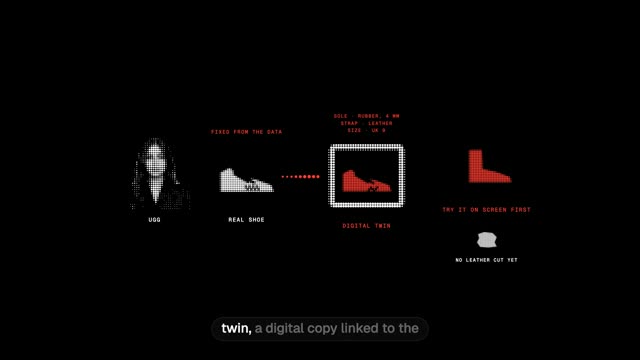
Product lifecycle and the digital twin
Tap: the caveman version, 1 min
01Grieves and Vickers (2017)
Product lifecycle and the digital twin
Keep design, material and test data connected from making to repair.
Limit: A render without data is not a twin.
02Rogers (2003)
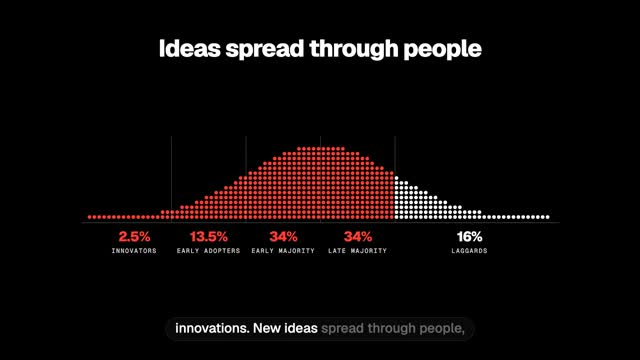
Diffusion of innovations
Tap: the caveman version, 1 min
02Rogers (2003)
Diffusion of innovations
Who tries your unfamiliar product or digital extra first, and who convinces the rest.
Limit: Do not assume every gamer is an early adopter.
03Ellen MacArthur Foundation (2017)
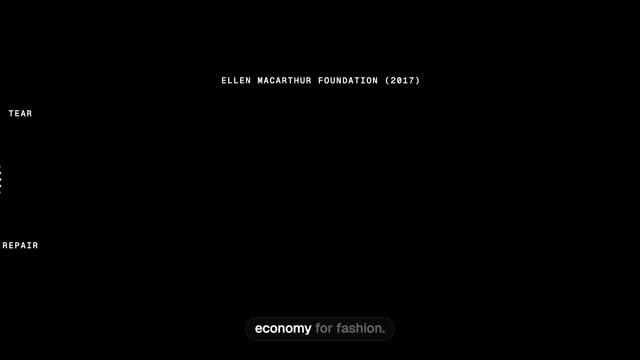
Circular economy
Tap: the caveman version, 1 min
03Ellen MacArthur Foundation (2017)
Circular economy
Does your product avoid waste and support long use, repair and recovery?
Limit: Made-to-order alone does not make it circular.
04Verhoef, Kannan and Inman (2015)
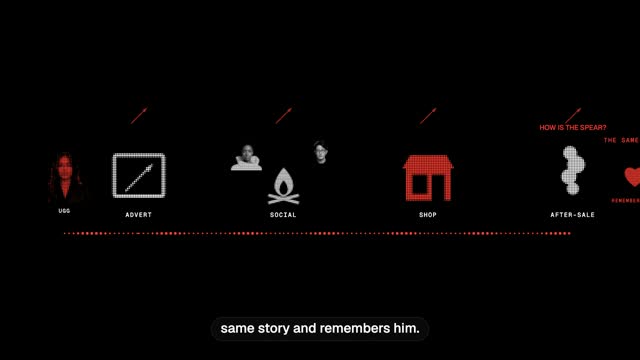
Omnichannel experience
Tap: the caveman version, 1 min
04Verhoef, Kannan and Inman (2015)
Omnichannel experience
Map the customer between the partner’s world, the purchase and after-sale.
Limit: Being on many channels is not the same as connected.
Write it like this
“Using [theory], we will change [one decision about the hero product], because [evidence].”
Full Harvard references on the source slide and in the research pack. All four are established frameworks, not current market data.
Workshop · 13:30 · no software
Put your hero product on the chain
One image, one map, one honest next step. Paper and pens.
Image: Mango, AI-generated campaign for Mango Teen, 10 Jul 2024. Research reference, not an endorsement. Brand and vendor copyright; retain credit. Classroom use.
Workshop · the agenda
Six steps, two and a half hours, no software
01
Mark your image
Label what is imagined, what is specified, what is tested.
15 min13:30 to 13:45
02
Handover map
In pairs: eight stages, who receives each handover.
Your marked-up image, your handover map, and one sentence: “Our next handover is ___; we must verify ___ before ___.”
Workshop · 13:45 to 14:20 · in pairs
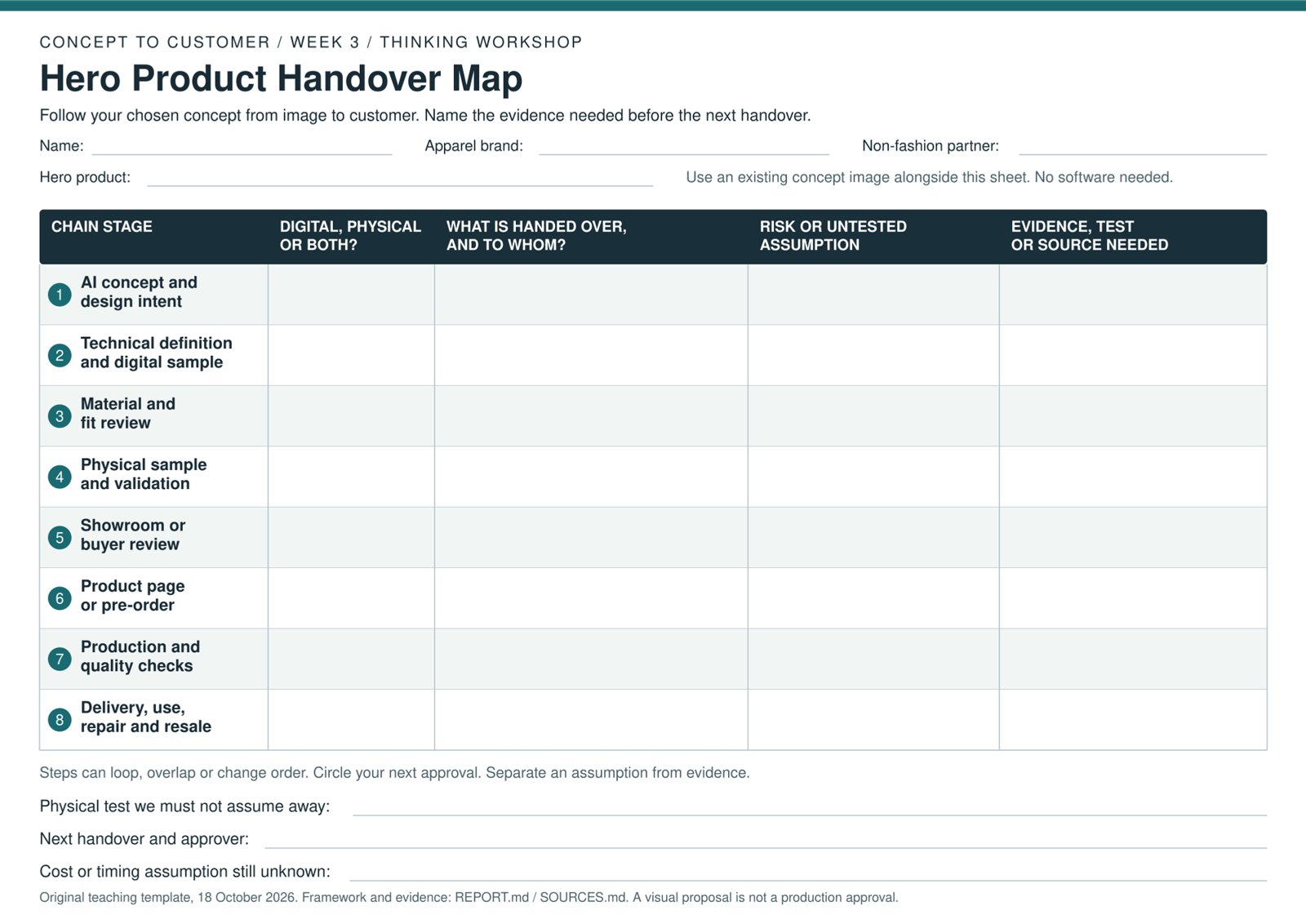
The handover map
1Write your pairing and hero product at the top.
2For each of the eight stages: digital, physical or both?
3What is handed over, and to whom? Name a role.
4What is the risk, or the thing nobody has tested yet?
5What evidence, test or source would settle it?
6Circle your next approval. Fill in the three lines at the bottom.
Rule: keep an assumption and a piece of evidence in different columns.
Example row (fictional bomber jacket), stage 2
Digital. Tech pack and 3D sample go to the manufacturer’s pattern cutter. Risk: the 3D sample uses a generic nylon, not our fabric. Evidence: the supplier’s fabric test data.
Hero Product Handover Map: original teaching template from the research pack, 18 Oct 2026. Print from the worksheet.
Workshop · 14:20 to 14:40 · swap maps
Scenario cards: what could go wrong?
1Swap handover maps with another pair.
2Pick a card that could happen to their product. Read it out.
3Point to the stage on their map where it breaks.
4They answer: who fixes it, and what proof do they need?
01breaks stage 6 to 7
Sold out, can’t make it
Hundreds of people pre-ordered. Then the factory says it cannot make the metal clasp shown in the picture.
Ask: What do you tell customers, and what should have been checked first?
02breaks stage 2 to 3
Fabric acts differently
On the 3D avatar the dress fits perfectly. The real fabric is stretchier, and the dress sags.
Ask: Which fabric test should come before the 3D fit?
03breaks stage 5 to 6
Squashed logo
The partner approved the logo. Then an Instagram crop squashes it.
Ask: Who has to approve the new version?
04breaks stage 6
“75% less emissions”?
Your pitch says digital sampling cut emissions by 75% at Perry Ellis.
Ask: What did the source really measure?
05breaks stage 6
Game item first
The game skin goes on sale weeks before the real shoe.
Ask: How does a buyer know whether the skin comes with the shoe?
06breaks stage 5 to 6
Worn it? No.
An influencer wants to post the render and say they have worn the jacket.
Ask: What can they honestly say?
07breaks stage 8
QR goes nowhere useful
The QR code on the label opens a mood board, not product information.
Ask: What should it show instead? Think materials, care, repair.
08breaks stage 8
The service shuts down
The app behind your digital extra closes a year after launch.
Ask: What does the customer still own?
Example answer, card 1
It breaks between stage 6 (pre-order) and stage 7 (production). The product manager fixes it: tell buyers the new date or a changed clasp, and next time get the factory to sign off a real clasp sample before opening pre-orders.
Fictional teaching scenarios from the research pack (Workshop/Scenario_Cards.md). Not incidents at the researched brands. Stage numbers refer to the eight stages on the handover map.
Exit · 15:45 · and next week
Next week you pitch. Bring a product, not a picture.
A strong answer can name
1The next person to receive the product
2The information they need
3The risk nobody has tested
4The evidence that would settle it
5Who approves it, in each brand
Weak“AI makes it faster and sustainable.”
Write it now
“Our next handover is ___; we must verify ___ before ___.”
Bring to Week 4 · Mon 26 Oct
Your handover map, your labelled hero product images, your campaign images showing the same product, and your theory sentence.
Source index · tutor prep, not for projection · accessed 18 Oct 2026
Sources and citable frameworks
Case A
adidas newsroom, adidas x Fortnite Ultraboost, 28 Feb 2025 (S01). Film F1: Fortnite YouTube, 7 Feb 2025.
Case B
PUMA media hub, PUMA x PlayStation, 15 Apr 2024 (S02).
Case C
Browzwear, Perry Ellis success story, 4 Sep 2024 (S03). Film F2.
BoF and McKinsey, State of Fashion 2026 (S09); Browzwear bonprix (S10); Zalando FY2025 results (S11); Mango (S04).
Rules
European Commission DPP page (S08); ESPR (S12); CDPA 1988 s9(3) (S17); UK government report 18 Mar 2026 (S16); ASA (S18, S19, S20); CMA (S21).
Checks
CLO material service (S06); X-Rite (S22); drape study (S23); MAS film F3 (S35, S37); H&M report (S40).
Grieves, M. and Vickers, J. (2017) ‘Digital twin: mitigating unpredictable, undesirable emergent behavior in complex systems’, in Kahlen, F.-J., Flumerfelt, S. and Alves, A. (eds.) Transdisciplinary Perspectives on Complex Systems. Cham: Springer, pp. 85-113.
Rogers, E.M. (2003) Diffusion of Innovations. 5th edn. New York: Free Press.
Ellen MacArthur Foundation (2017) A New Textiles Economy: Redesigning Fashion’s Future.
Verhoef, P.C., Kannan, P.K. and Inman, J.J. (2015) ‘From multi-channel retailing to omni-channel retailing’, Journal of Retailing, 91(2), pp. 174-181.



 Launch film · 0:05 to 0:35
 Old way · 0:52 to 1:15
 Digital way · 0:38 to 0:58
 0:39 to 1:05